Architecture Tour
Brutalism in Socialist Yugoslavia! Tour New Belgrade's most jaw-dropping reinforced concrete in your own period-correct Yugoslav ride.
Architecture Tour
Optional
Extras
Airport Dropoff / Pickup
€30 per car
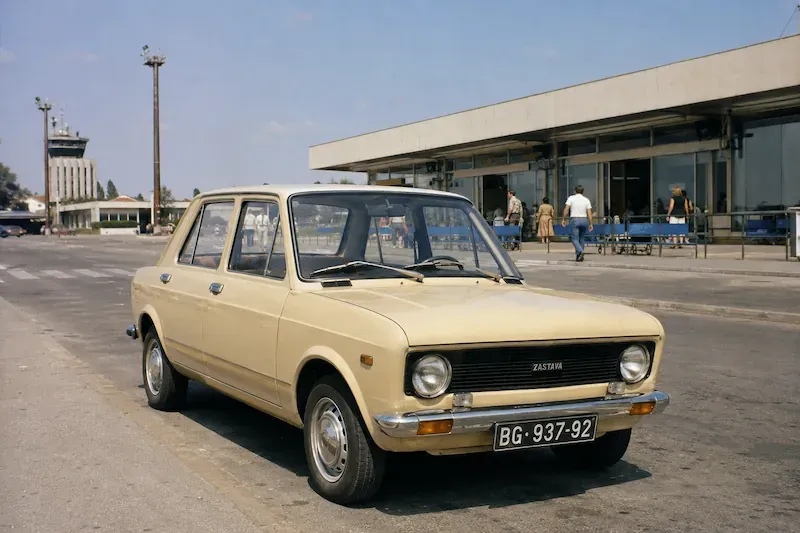
Can’t wait to discover Belgrade? Running out of time before leaving town? Or do you just want to surprise someone in true Yugo style? Get picked up or dropped off at the airport before or after your tour in a classic Zastava. Just let us know your take-off or arrival time when you book, and we'll be there with bells on.
Tito's Blue Train
€15 pp / €20 single
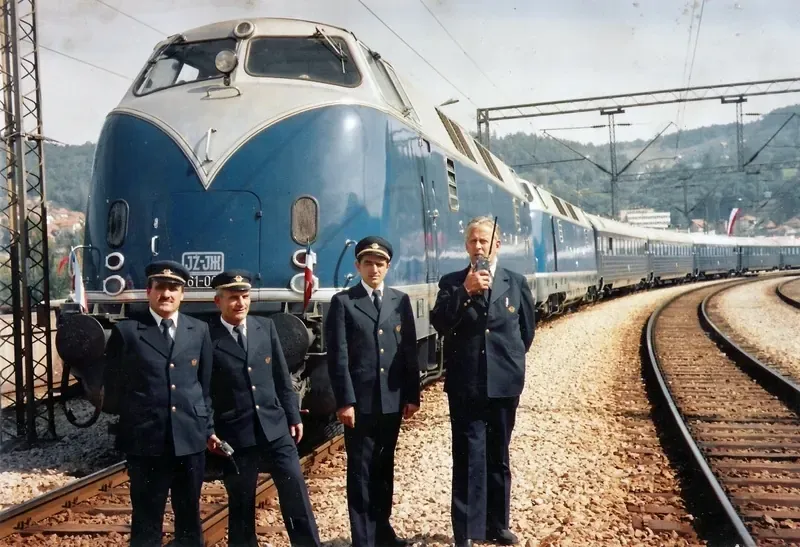
The term ‘hidden gem’ gets thrown around a lot nowadays, but in the case of Tito’s train it truly is apt. Hidden in a huge train depot in the industrial outskirts, a group of devoted mechanics keeps this marvel of socialist-strongman luxury in such a condition that a reanimated Marshal Tito would gladly use it tomorrow. As it happened, his last journey on this train was inside his coffin, wending his way across Yugoslavia in a farewell to the people. It's extremely difficult to see it on your own, so be sure to add an extra hour to discover Tito’s Blue Train.
Blok 61 / 62 / 63
€15 pp / €20 single
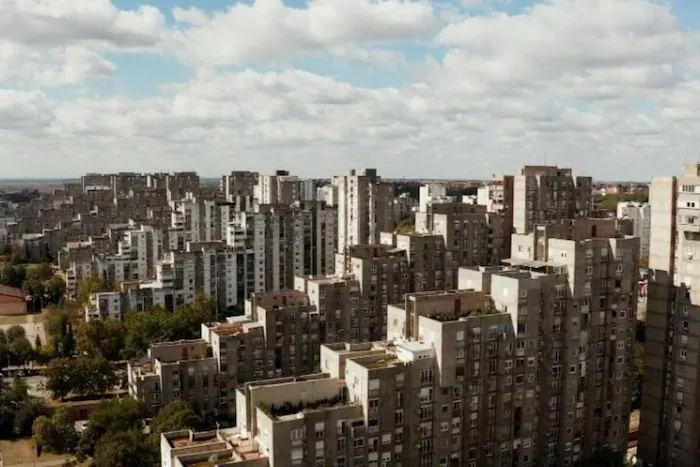
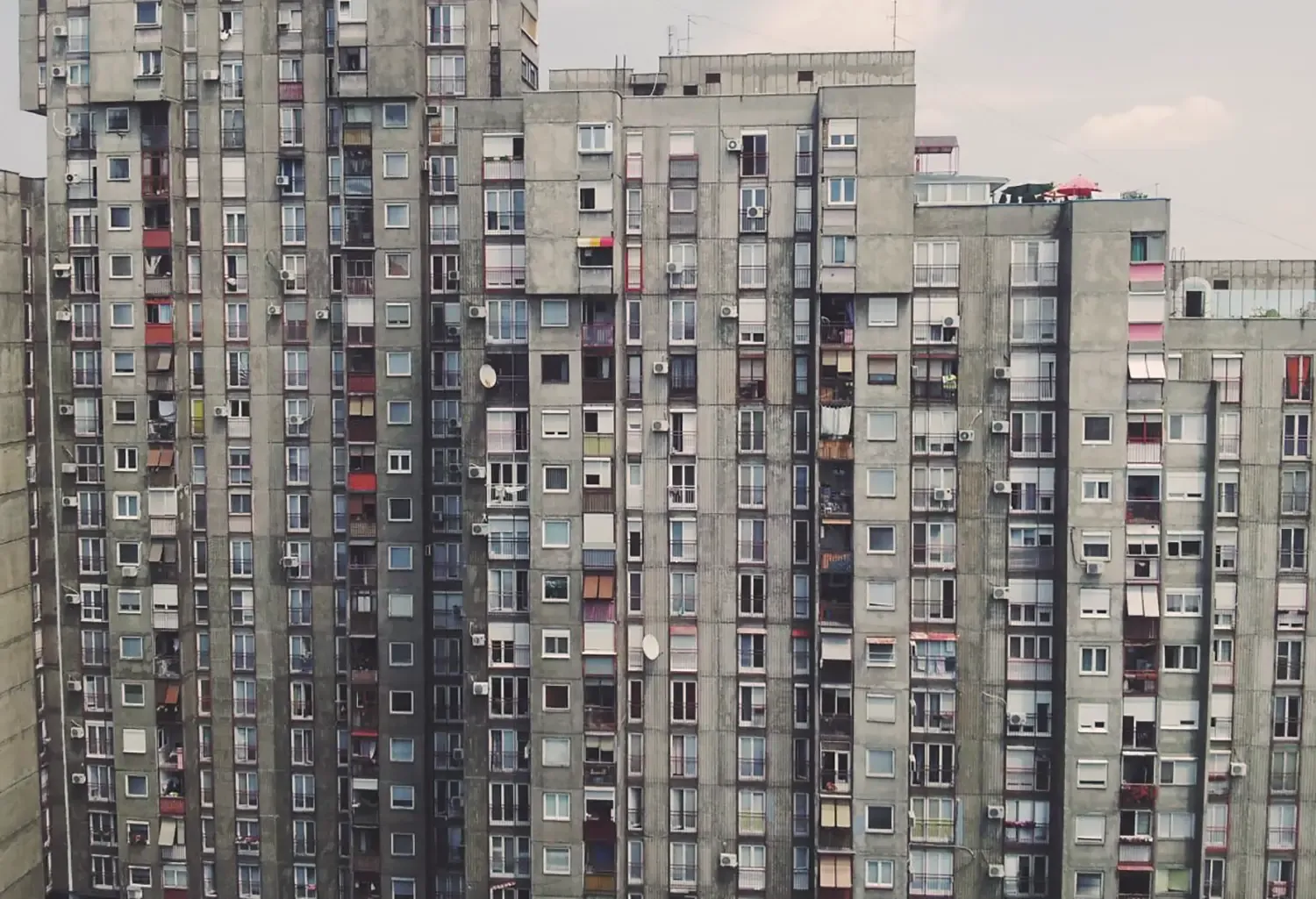
If you came to Belgrade for its impressive and sometimes crazy socialist architecture, then make sure to add a ride through the largest of its brutalist housing projects. You might spot the rows and rows of these concrete staircases from the plane when you fly in, but it's even more impressive when you're walking among these giants.
Rudo Towers Inside Visit
€15 pp / €20 single
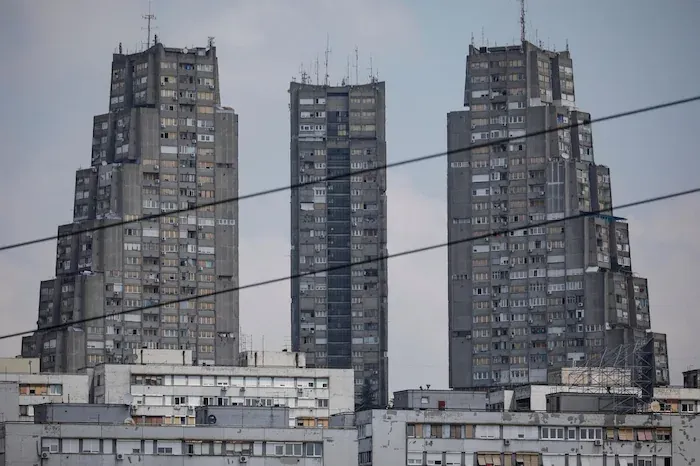
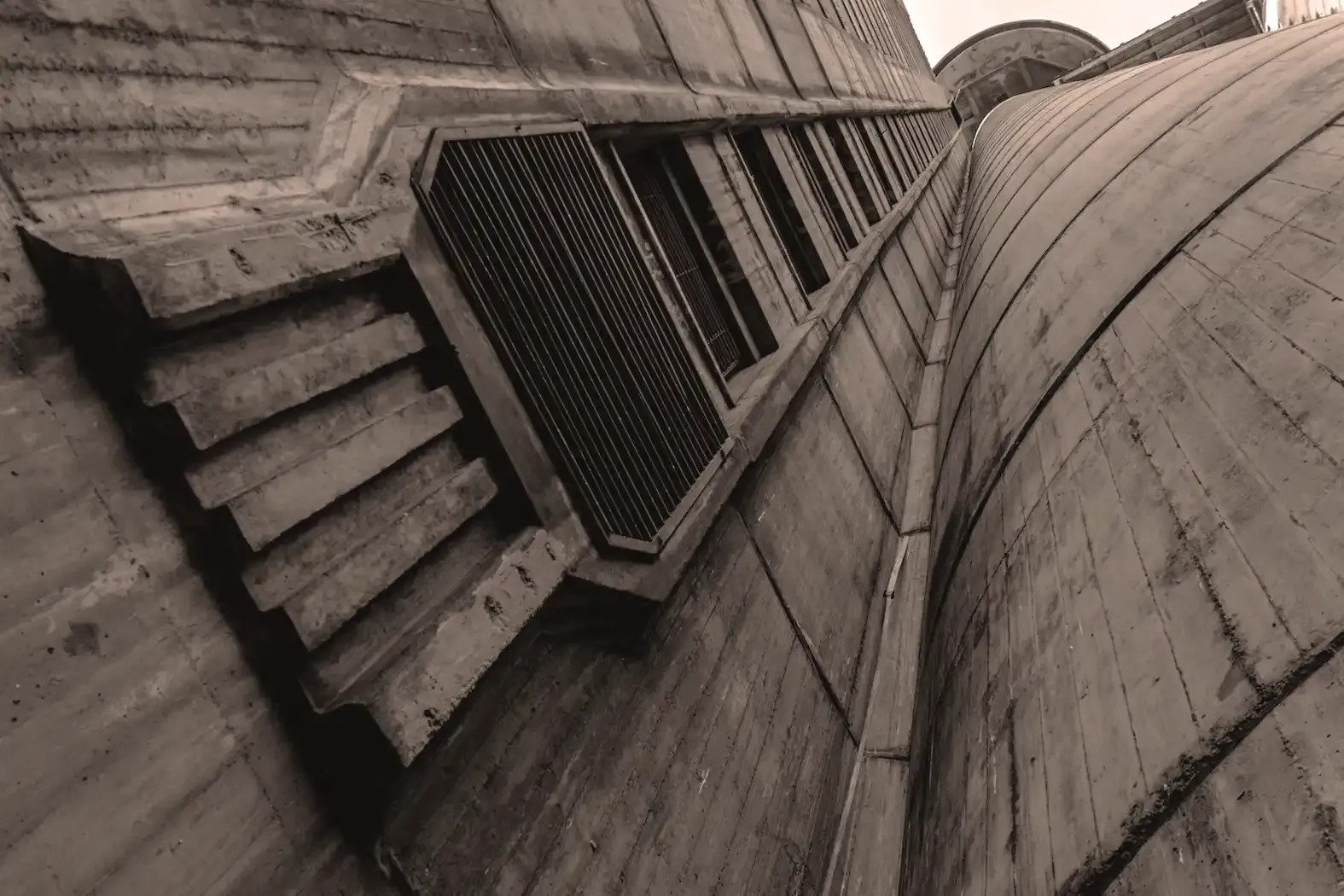
Our only package featuring this imposing trio of towers is the Grand Architecture Tour, if only because they're a bit hard to reach. But if you've only been to the Genex Building—Belgrade's Western Gate—then your list really isn't yet complete, at least not until you've visited this Eastern Gate of the city. Take a trip with us to the top floor of this brutalist behemoth.
New Belgrade was born when the city became the capital of Socialist Yugoslavia after WWII. Today, it serves as an open-air museum of socialist architecture and urban planning. Since it was the communist fashion to build grand boulevards and massive residential blocks, the best way to explore is by car—specifically, the car built in the same era as the buildings: the Zastava! If you love design, architecture, or urban history, let us show you the city's most notorious and hidden brutalist gems.
Start of the Tour
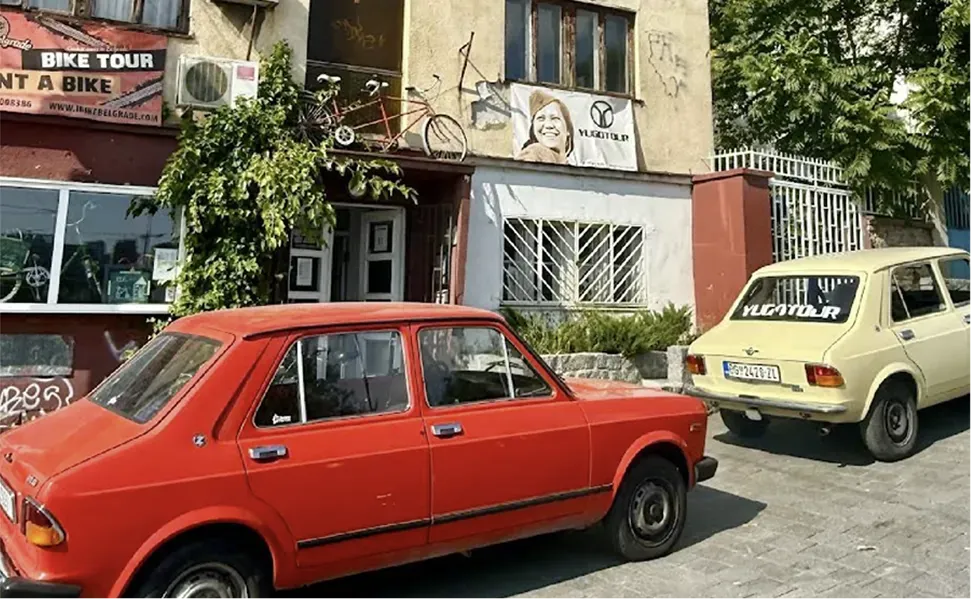
Things kick off at the Yugotour Headquarters at Karađorđeva 11. This is where you meet your driver and vintage Zastava automobile.
Note: Alternate pick-up and drop-off can be arranged while booking.
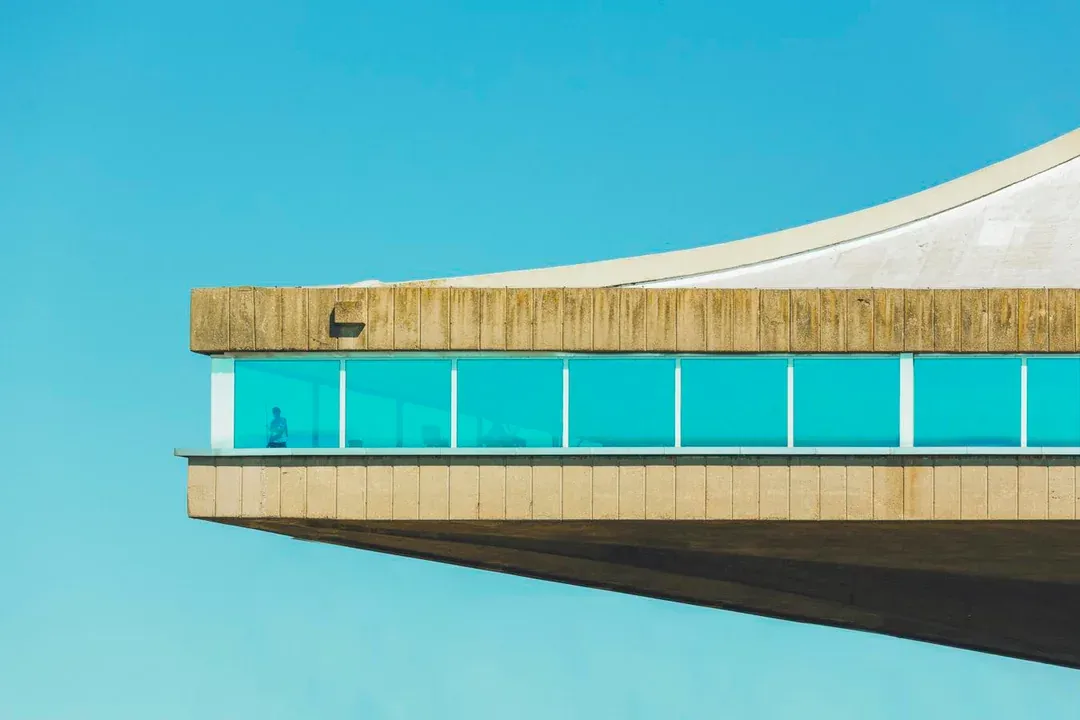
25th of May Sports Center
Though not in New Belgrade, this imposing concrete triangle jutting out over the Danube is the perfect introduction. Named after Tito’s birthday, the center features an Olympic pool complex and a plaque where Tito himself expressed his joy at the building's opening.
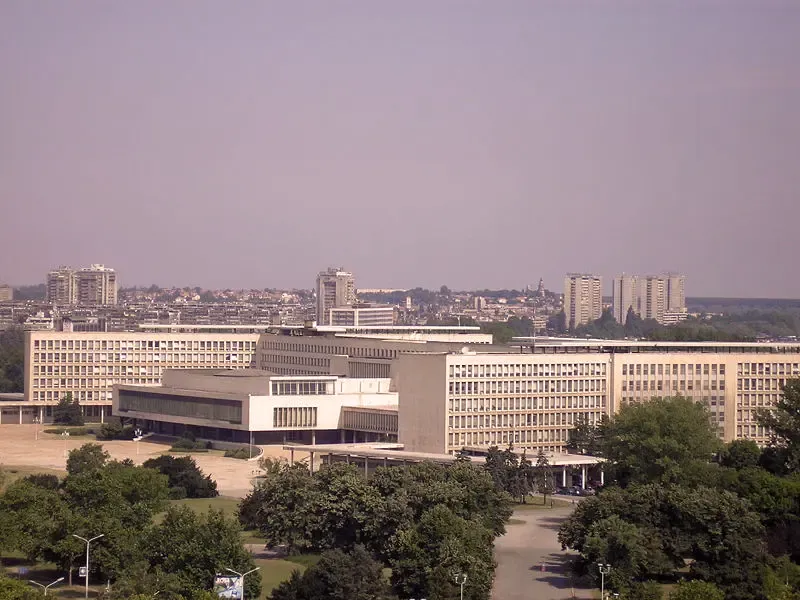
SIV
Officially called the "Palace of Serbia," we still prefer its Yugoslav name: SIV. This modernist masterpiece was the impressive seat of the Yugoslav Government and the first building completed in New Belgrade. It now houses the Serbian Ministry of the Interior, so keep an eye out when taking photos!
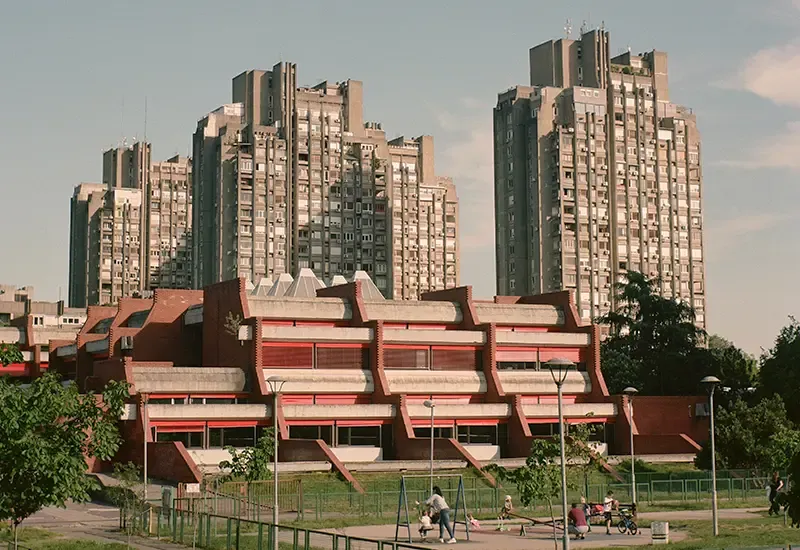
Block 23
Of Belgrade’s 70+ concrete "blocks," Block 23 best represents the socialist ideals of the new capital. While the buildings look imposing from a distance, walking through the central courtyard past the elementary school and tennis courts transports you back to the 1970s socialist dream of communal living.
Genex Tower
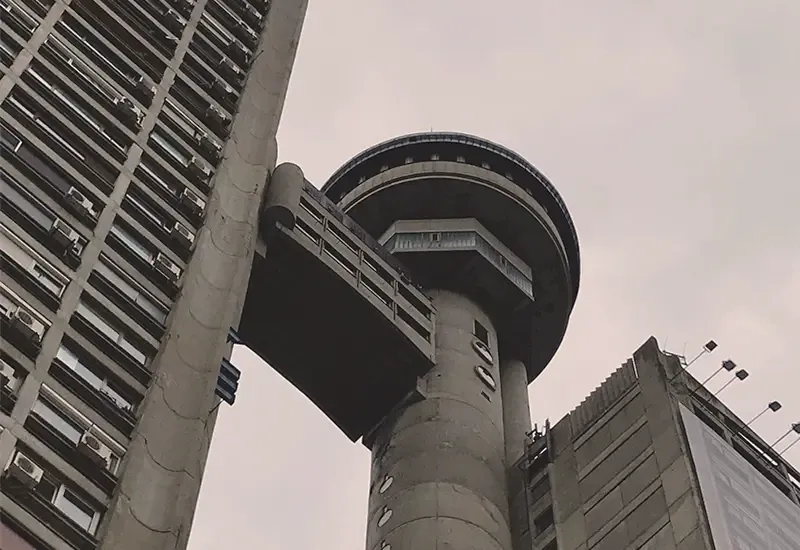
Known as the "Western Gate of Belgrade," this is one of the world's most iconic examples of Brutalism. It is the tallest building in the city, topped by a unique (though never actually functional) rotating restaurant. You can add a visit to the interior to explore a hidden architecture museum located in one of its apartments.