YUGOPEDIA
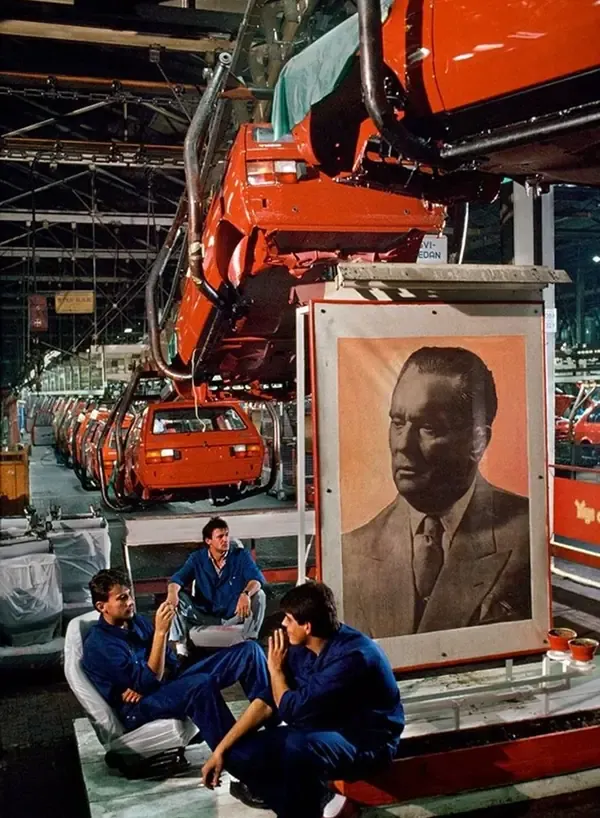
In the average household, the YUGO counted as a true family member.
At weddings, the Yugoslav tricolour fluttered from its windows. It sped to the maternity ward for the delivery of untold millions of newly-minted Yugoslavs. Teenage boys and girls “borrowed” the YUGO for a first ride around the block. And many adolescent romances, with soft YU-Rock playing and a view over the city, took place on the backseat of this car. The YUGO, in other words, was a loyal witness to the most intimate moments of everyday life in Yugoslavia.
This stubborn car, assembled in Kragujevac with parts from all over the federation, is in many ways emblematic of Yugoslavia. It put weekend outings, riverside picnics, and the Adriatic seaside within reach of all—and now, it offers transport into the country’s legendary past.
The Oldtimers
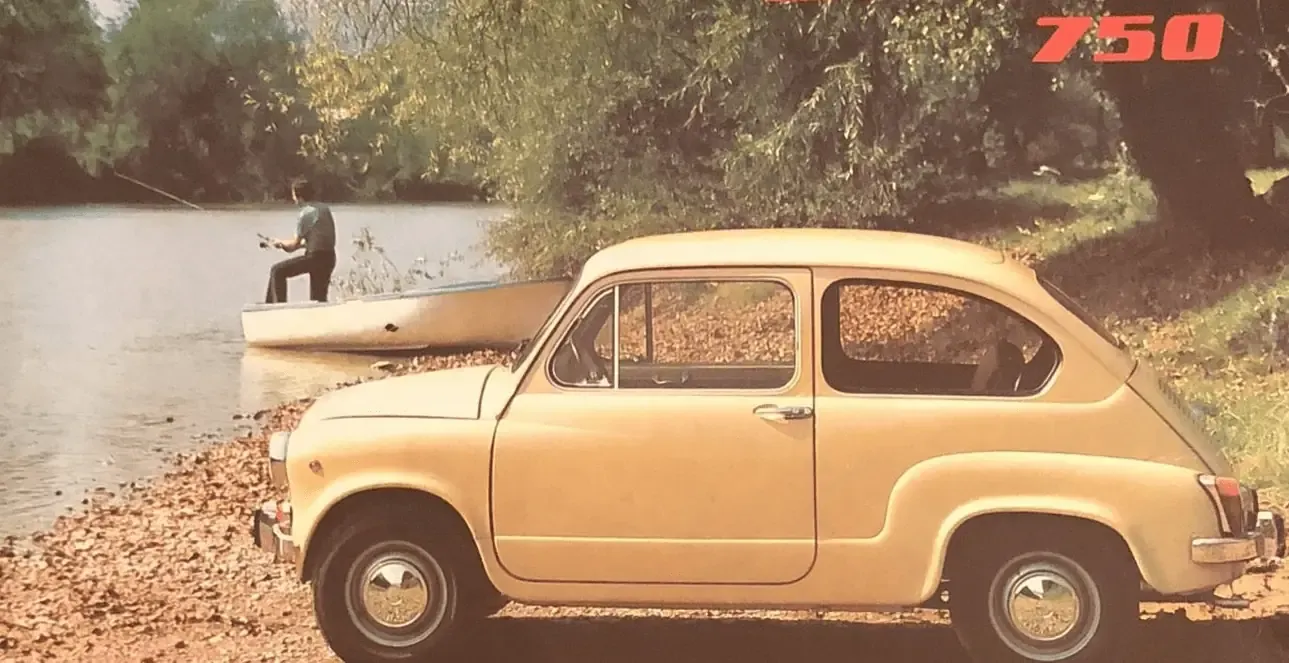
Zastava 750 “Fića”
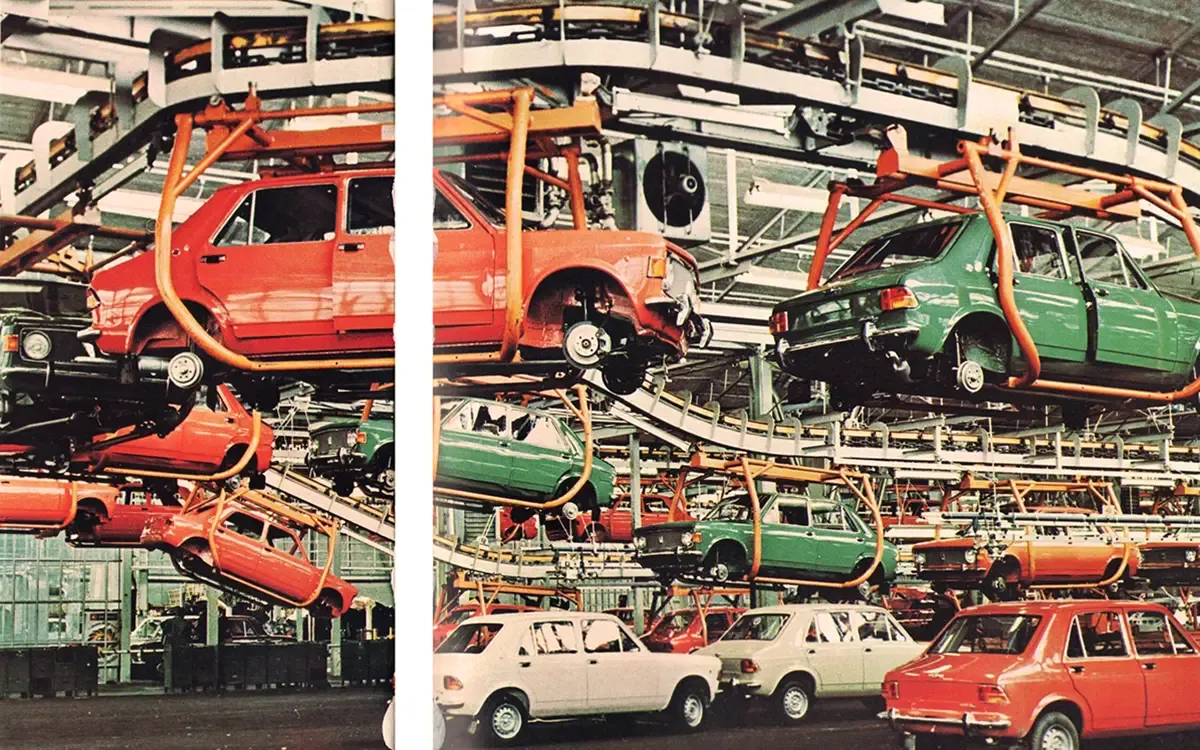
The Zastava (“Flag”) factory in Kragujevac had been producing artillery and small arms since 1856, and had started experimenting with car parts and trucks in the early 1940s. After WWII, under communist rule, Zastava set a great example of Yugoslav workers’ self-management in 1953, when its employees voted that the factory should focus on manufacturing cars. Zastava managed to attract Fiat investments and a Fiat license to build its iconic two-door, 767cc Fiat 600, which entered the Yugoslav market as the Zastava 750. The 750 became locally known as Fića, meaning “little Fiat”, and was the first real people’s car of Yugoslavia. Zastava produced almost one million Fićas until the mid-1980s, when it was gradually replaced by the Yugo.
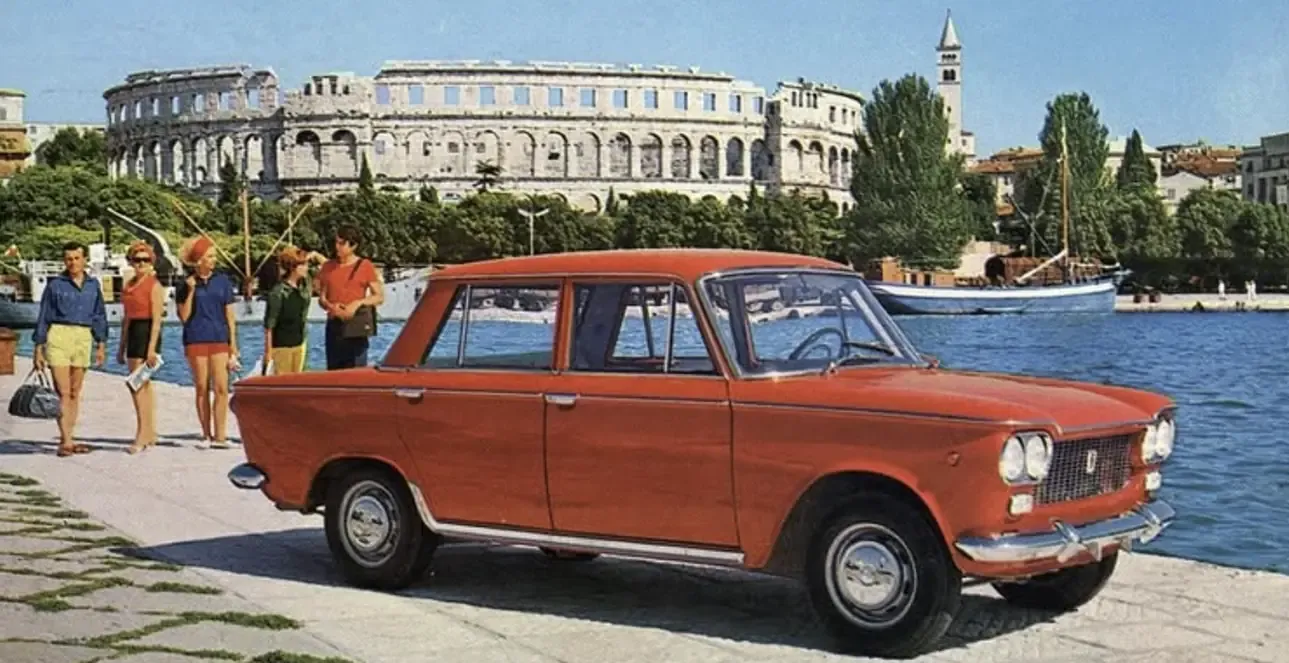
Zastava 1300 “Tristać”
The Zastava factory stayed in tune with the newest designs from Fiat’s drawing board and in 1961, Fiat and Zastava both launched a luxury, four-door, 1295cc limousine which became known as “Milletrecciento” in Italy and “Tristać” in Yugoslavia, both referring to its model name 1300. Elegant in design and more expensive in production, the Zastava 1300 was reserved for government, police, company directors, and taxi services. As a status symbol, it gained a reputation as the “Yugoslav Mercedes,” and unlike the other Zastava models it never became a true people's car. About 200,000 Zastava 1300s were made until the 1970s, when it was gradually replaced by the more popular Zastava 101.
The Yugotour Fleet
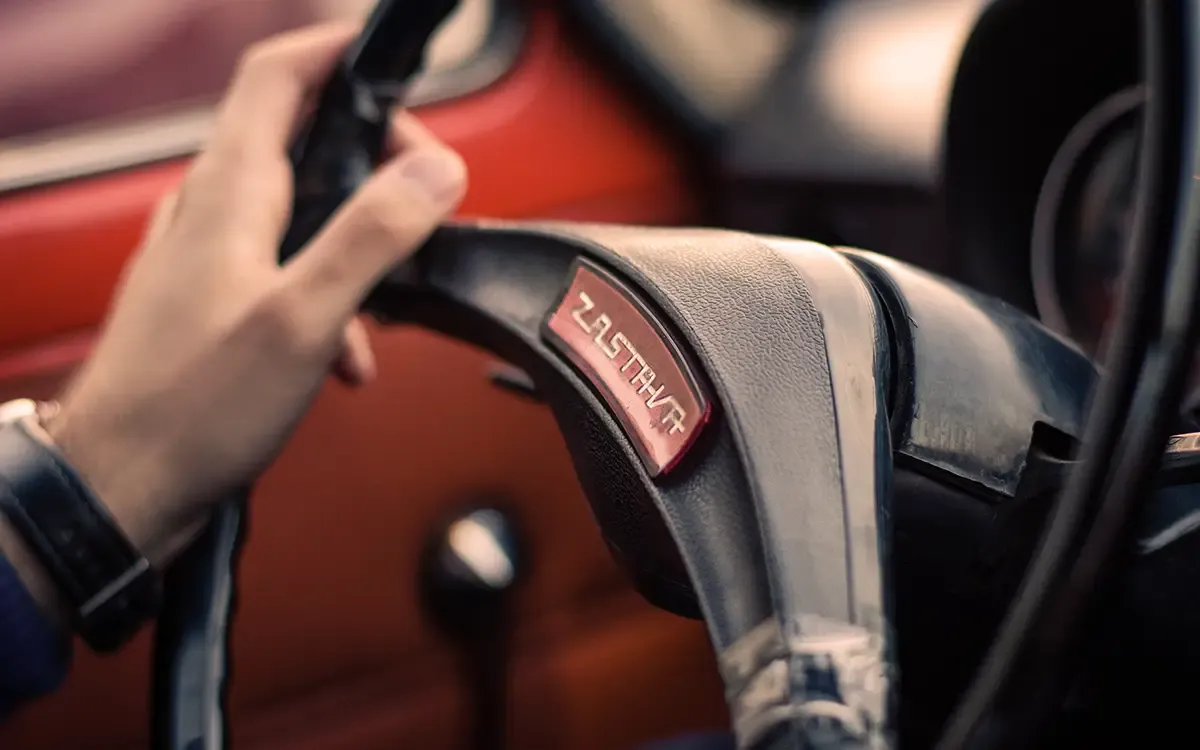
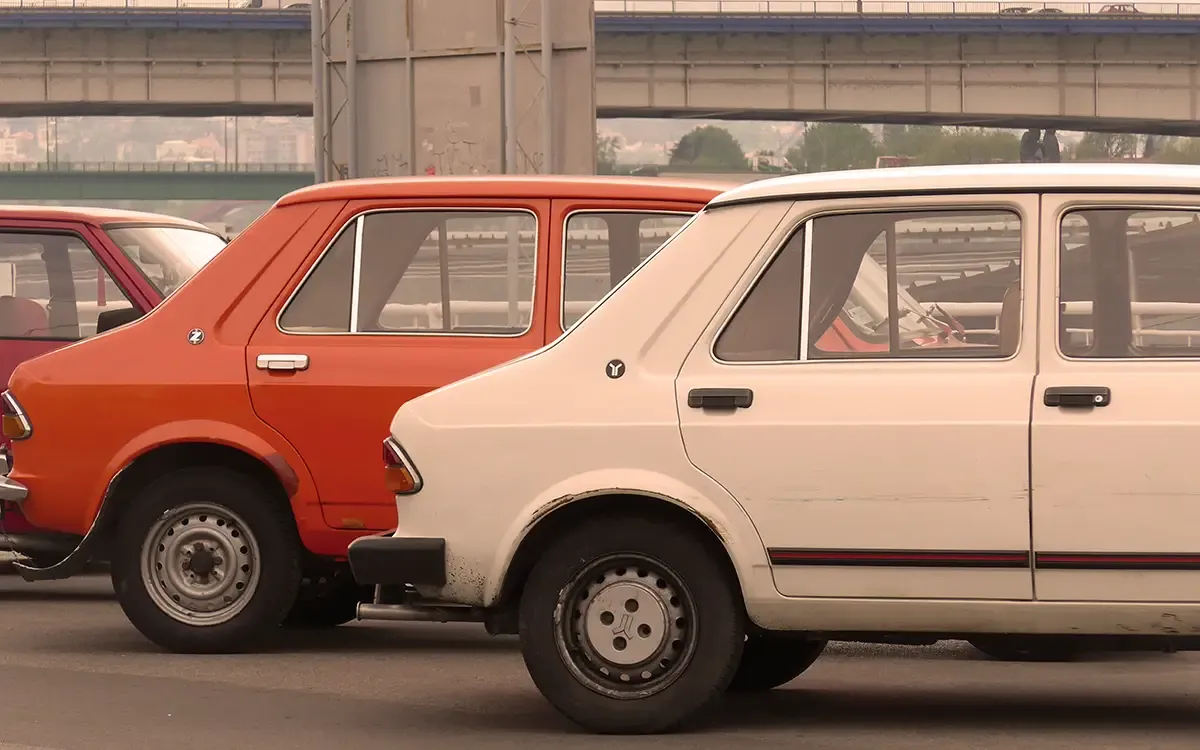
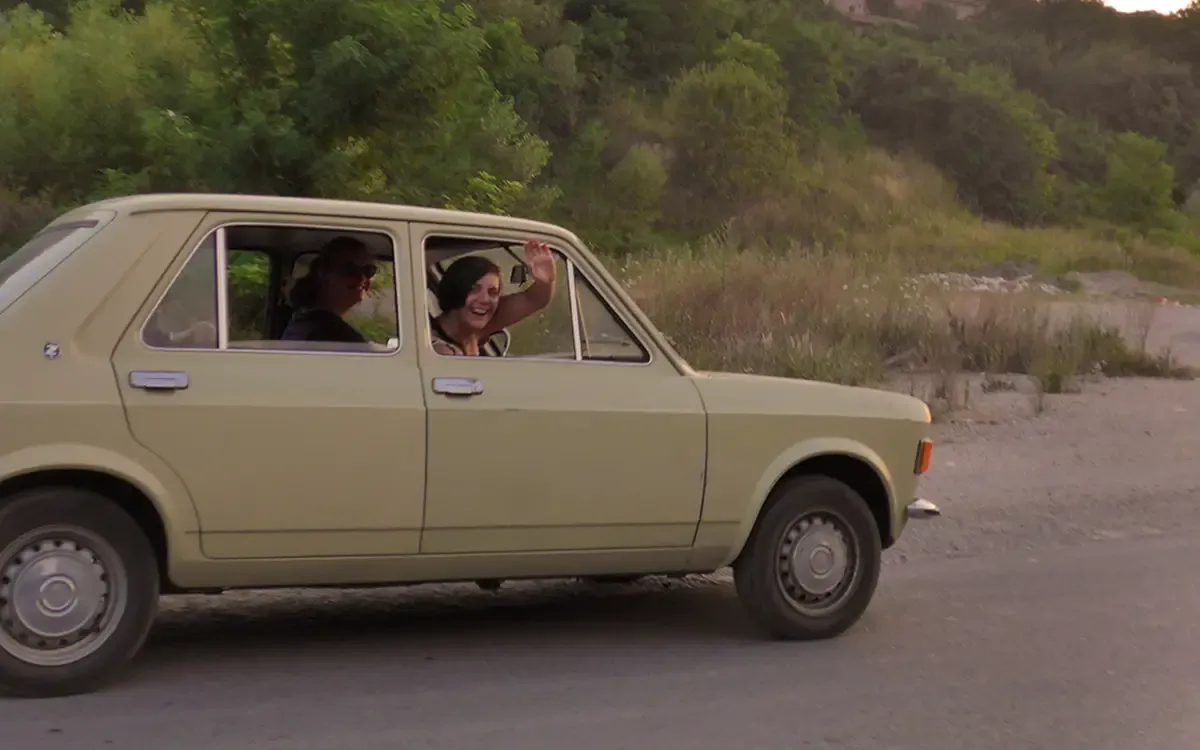
Zastava 101 “Stojadin”
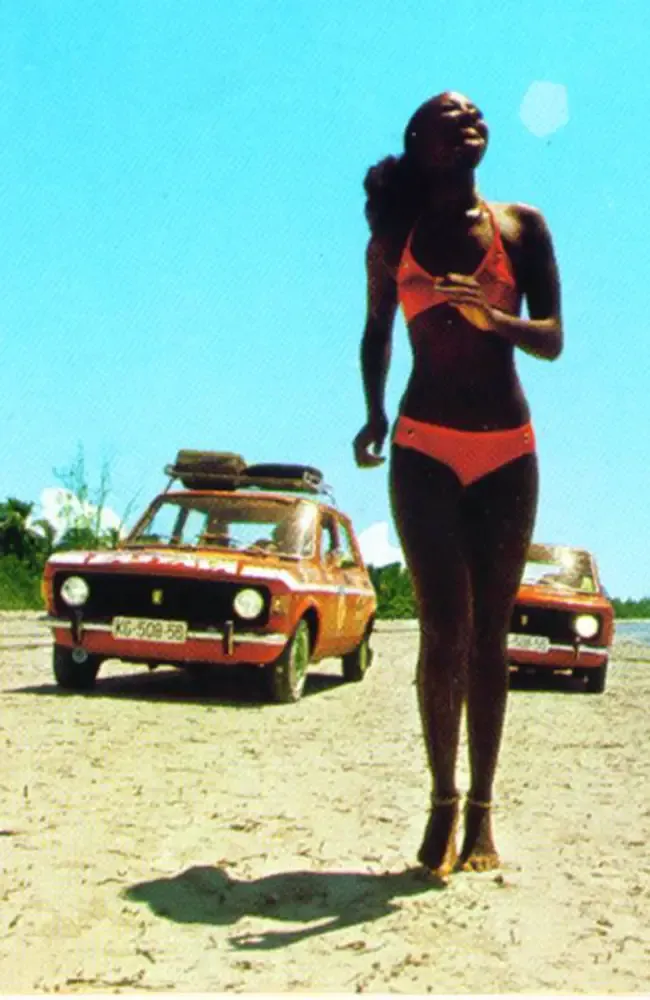
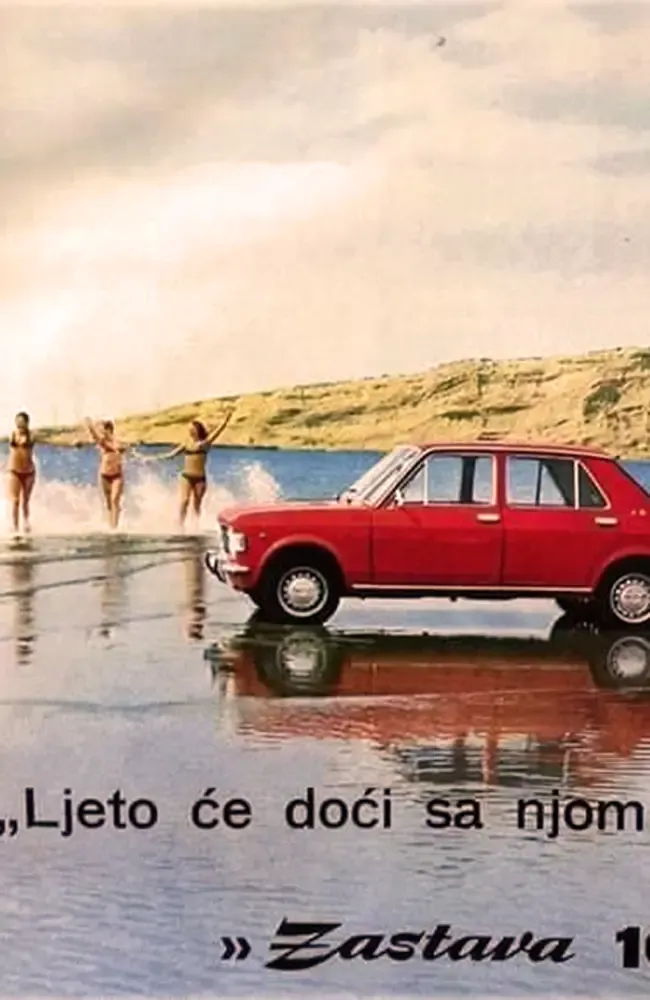
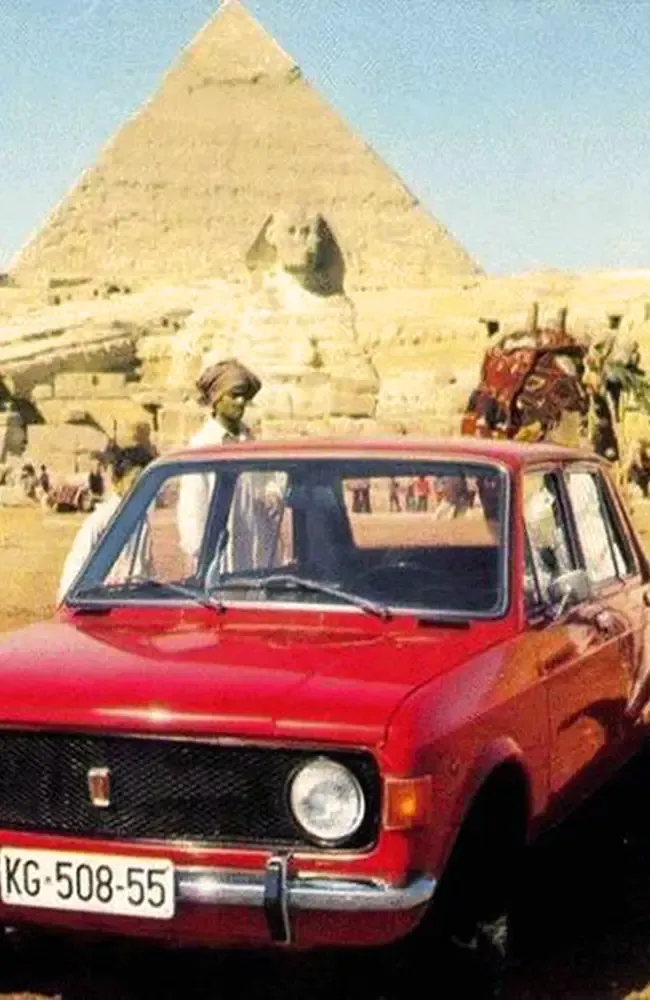
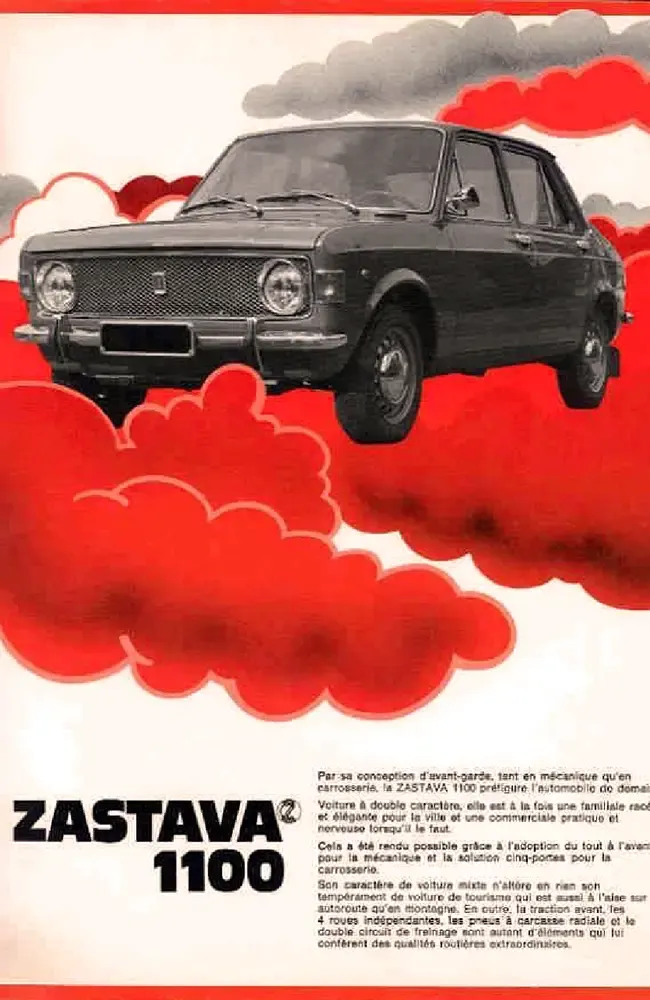
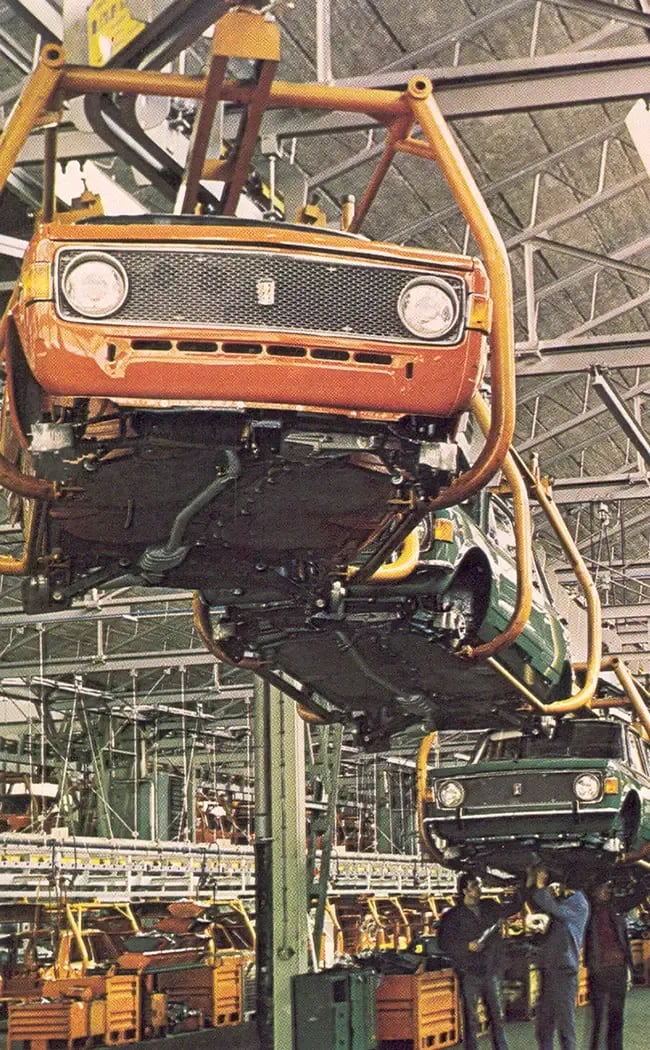
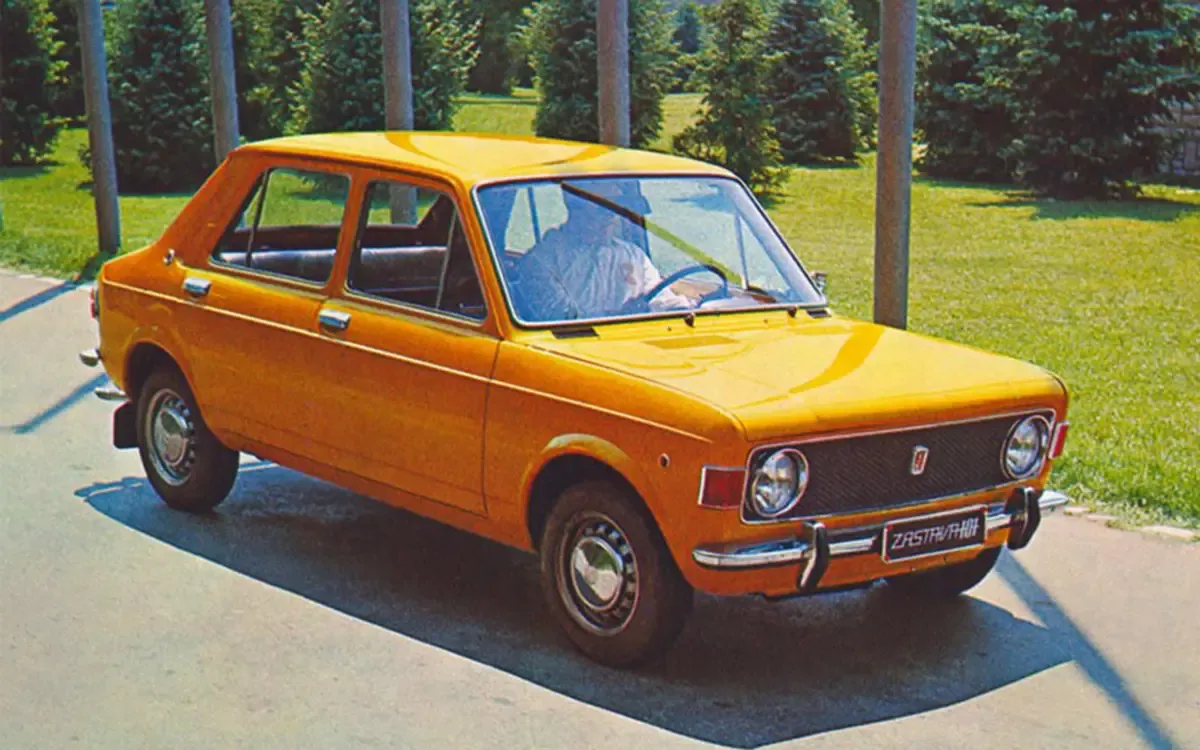
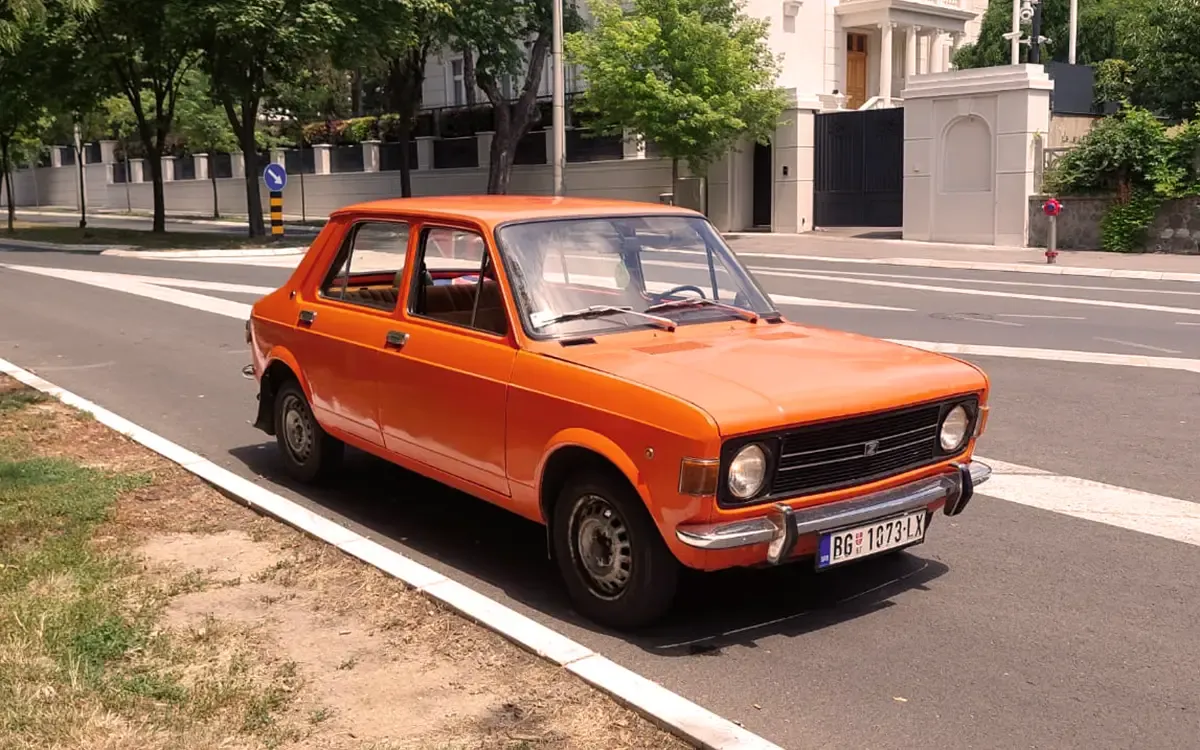
The Zastava factory aimed to turn Kragujevac into a Yugoslav Detroit, and to do so it needed a true “national vehicle”—a modern people’s car available to all. A unique chance presented itself in 1969, when Fiat decided on its final sedan design for the Fiat 128, while ditching a daringly avant-garde hatchback design by Dante Giacosa. Zastava gladly adopted this design and launched the Zastava 101 in 1971 with a four-cylinder, 1100cc engine.
And so Zastava started producing one of the very first hatchbacks in Europe, 4 years before the Volkswagen Golf! The 101 became Zastava’s most produced car, reaching 1,273,000 in 2008, of which 37% was made for export. As the three-digit name of the 101 violated Peugeot copyrights on the European market, the 101 was rebranded Yugo Skala 55 in 1985, when its two-door little brother had become Zastava’s main export sensation under the brand name YUGO.
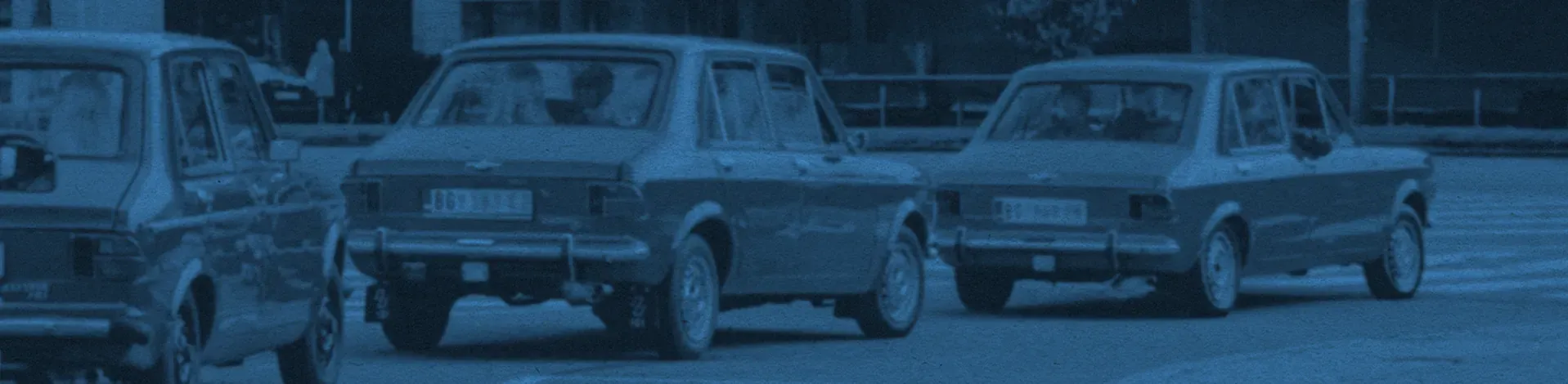
At Yugotour Belgrade, this is the model we run almost exclusively.

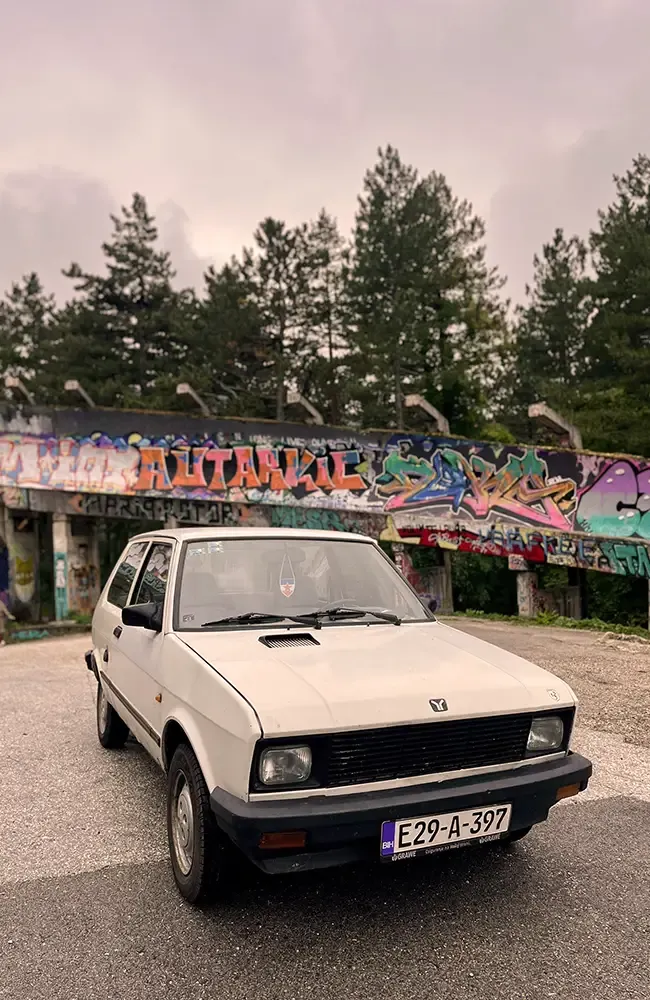
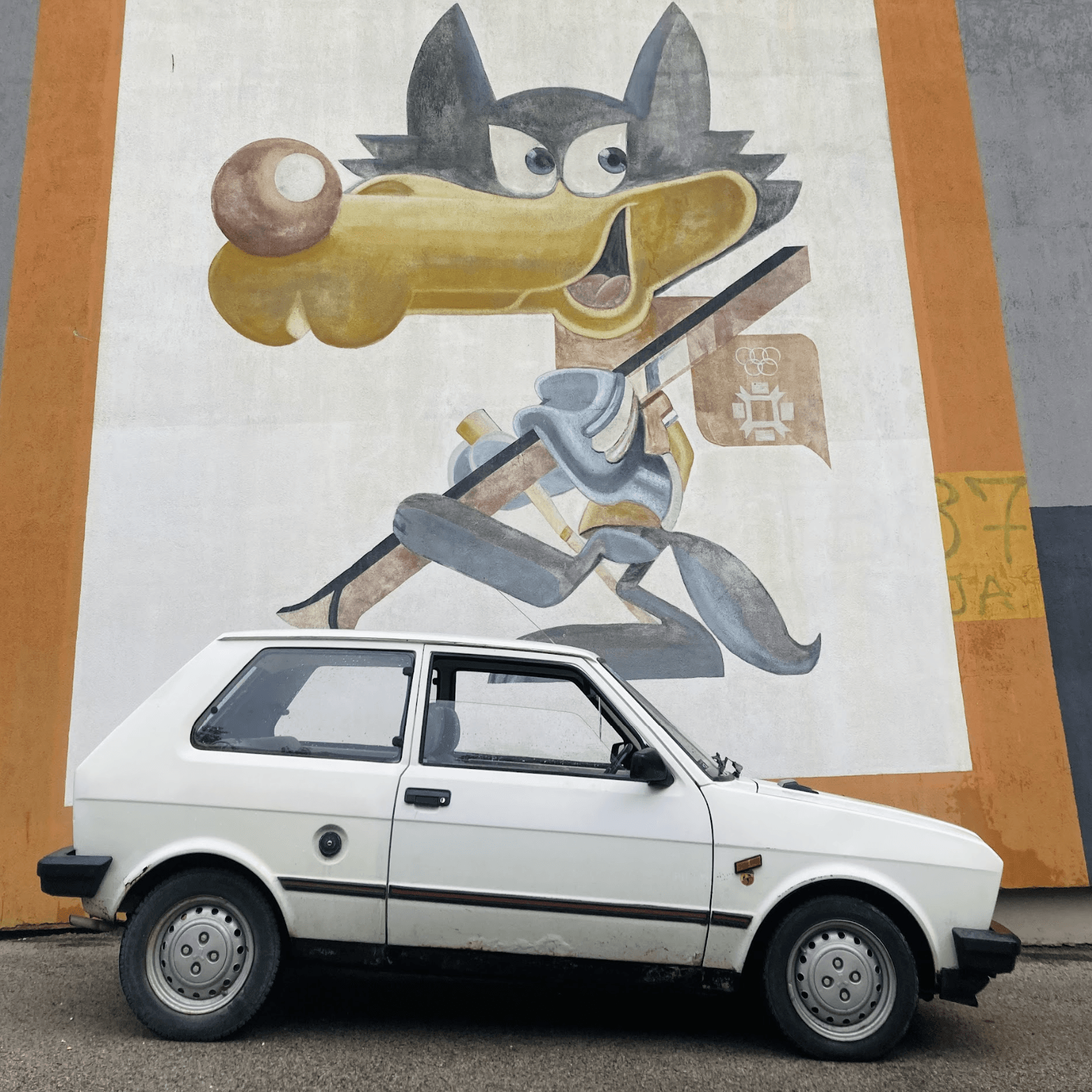
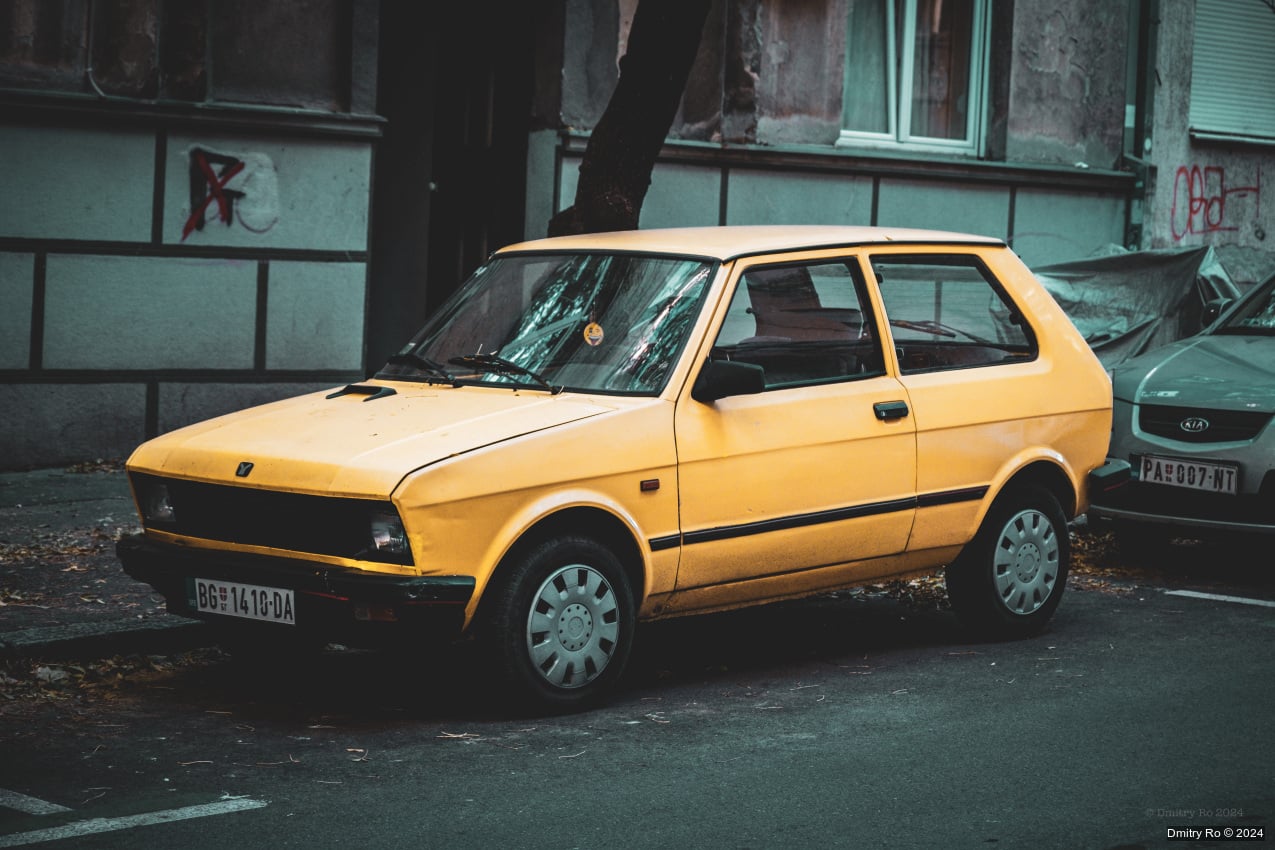
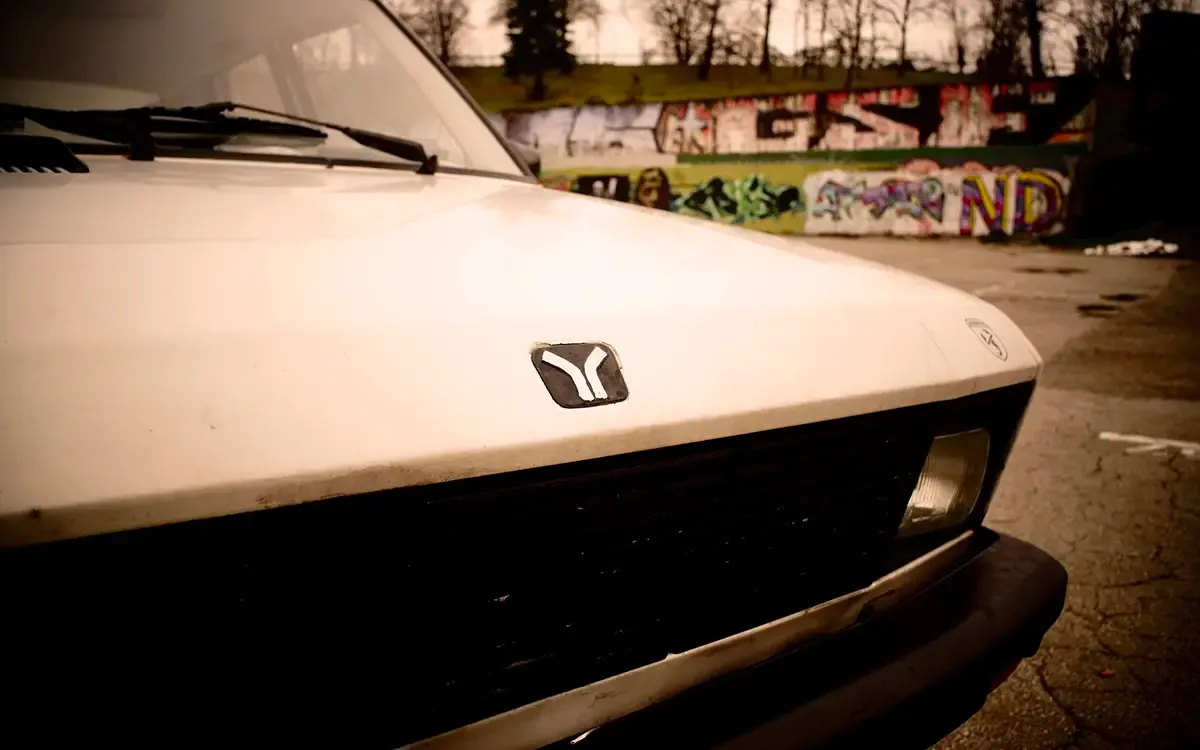
Zastava 102 “Yugo”
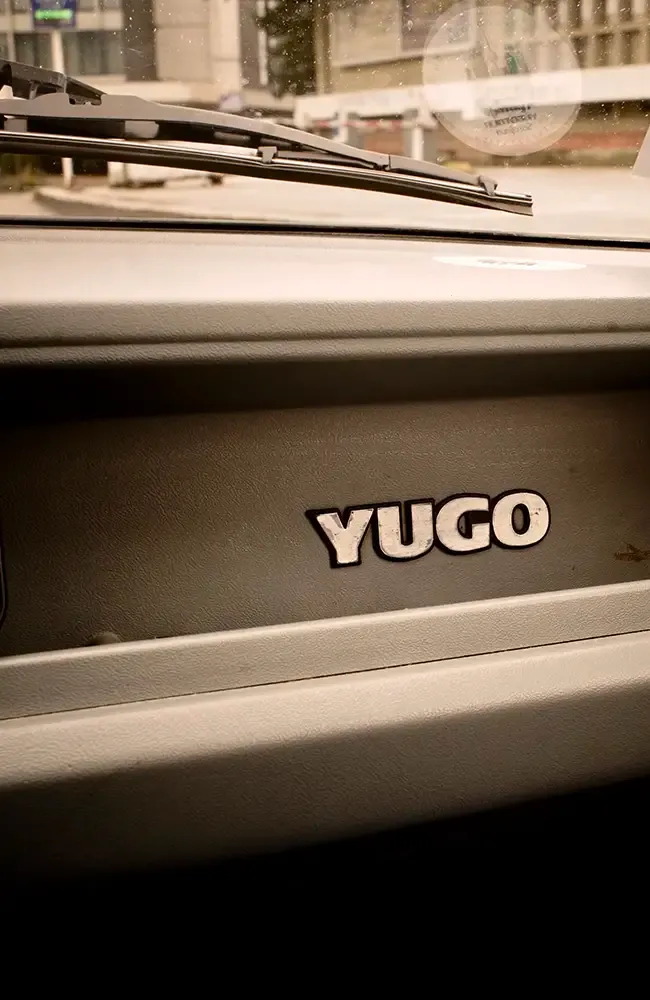
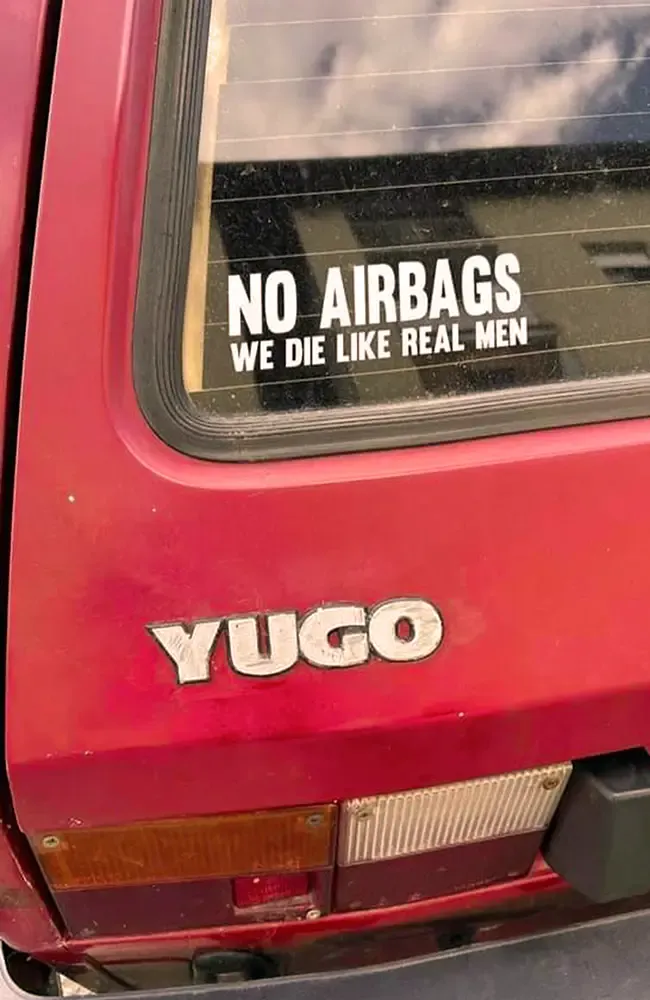
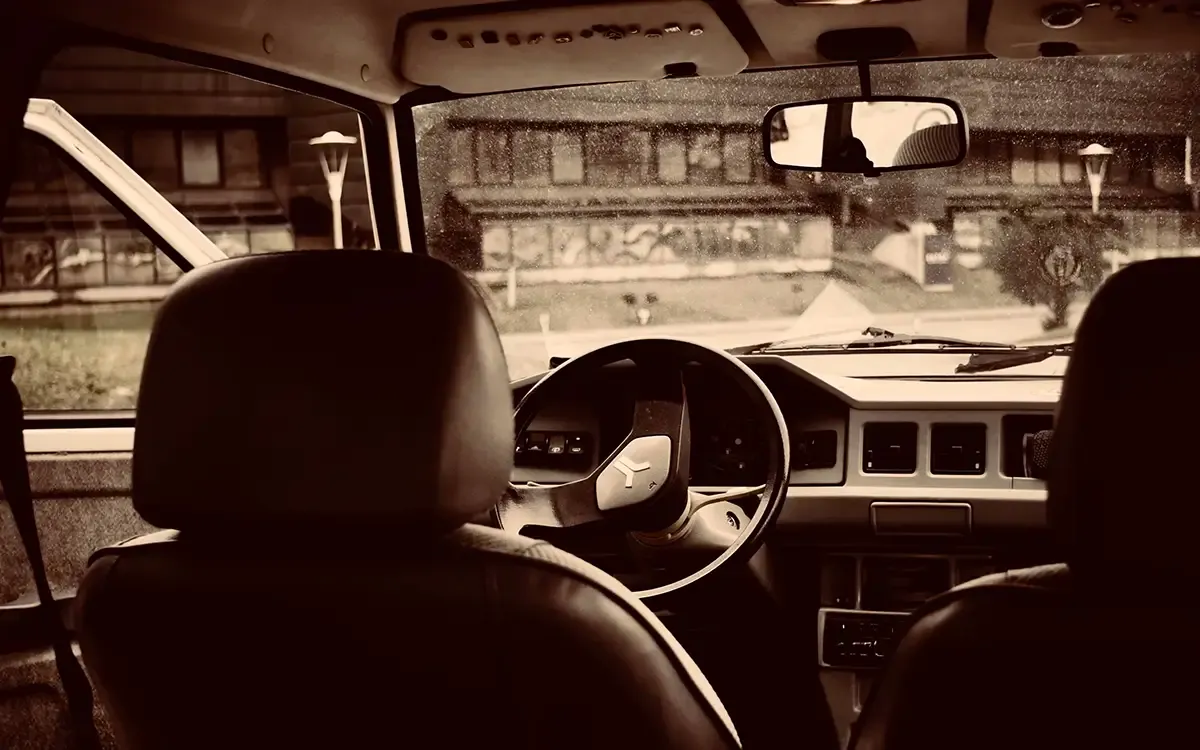
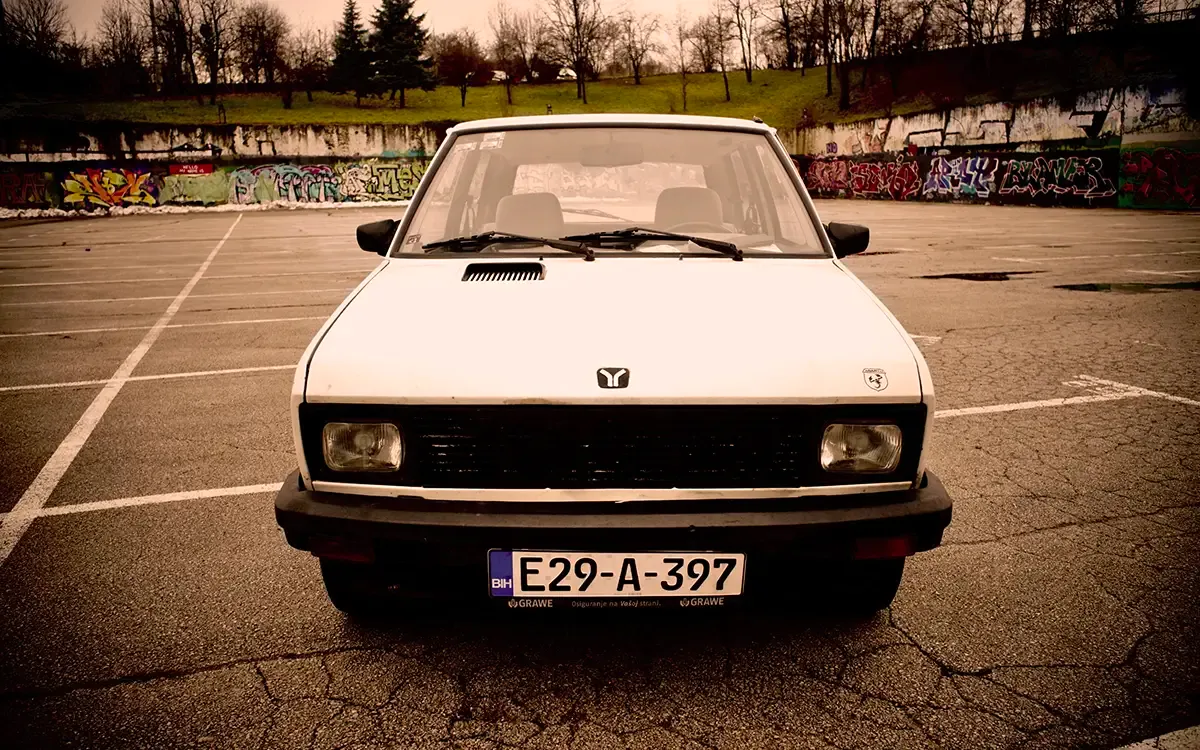
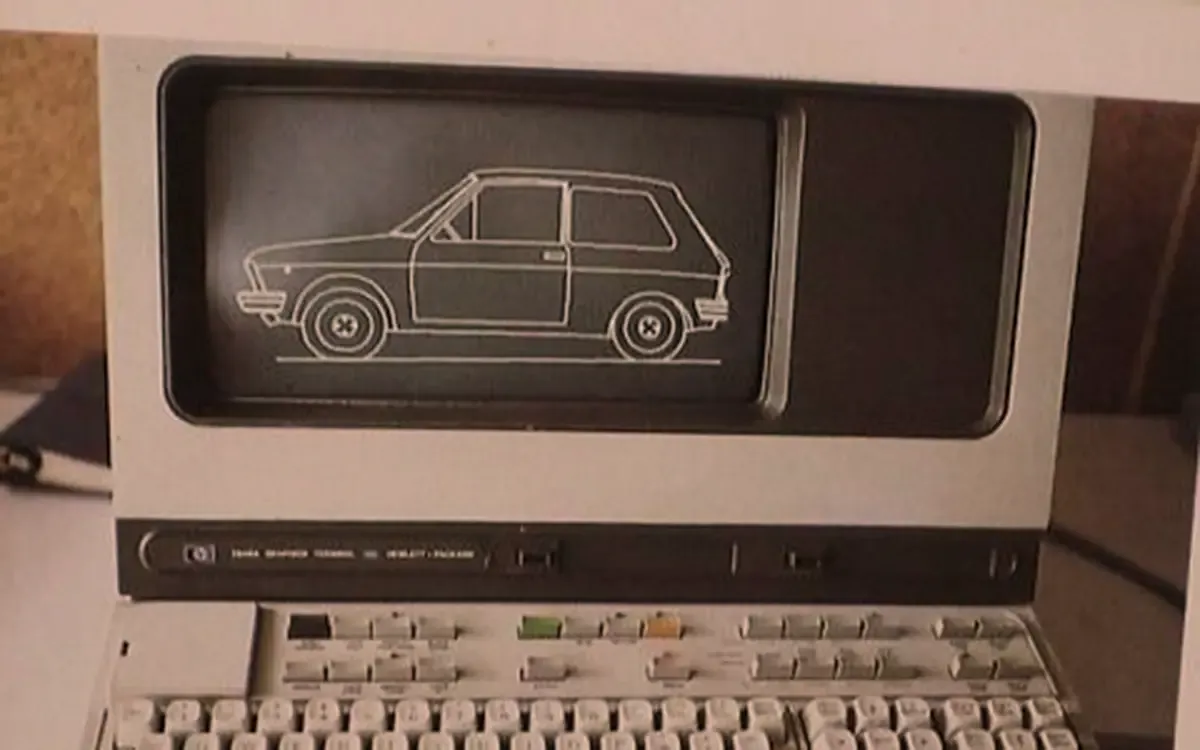
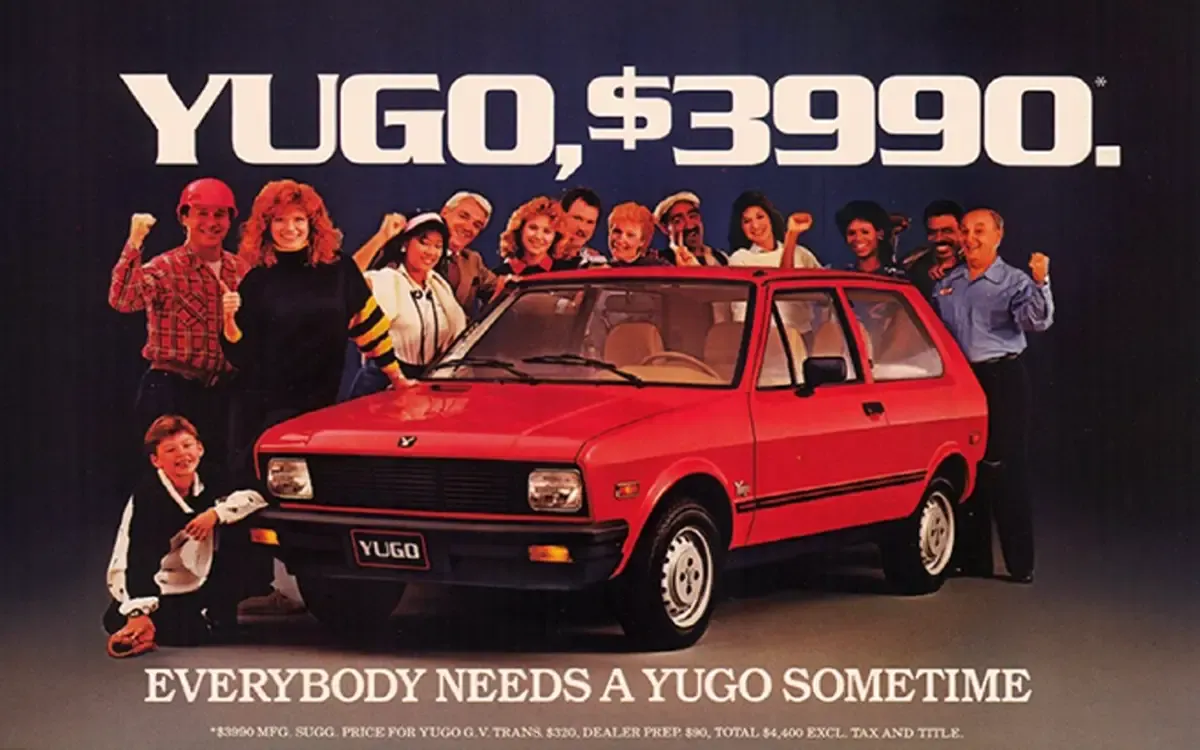
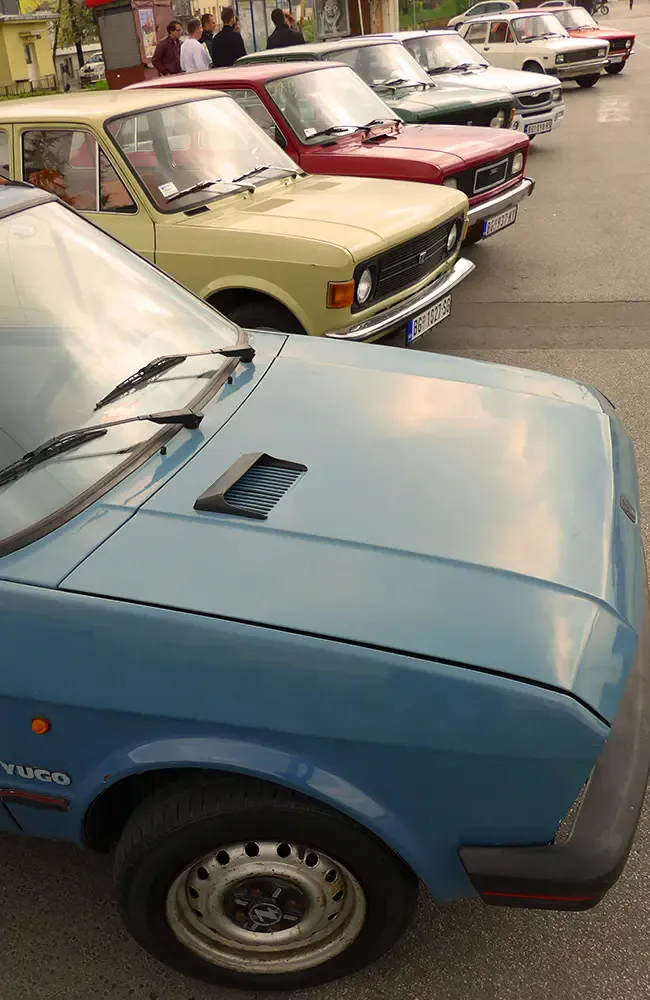
By the late 1970s, the Zastava factory was planning for the Zastava 102 to replace the outdated Zastava 750 and complement the Zastava 101, as a smaller two-door hatchback. The 102 was mechanically based on the 903cc Fiat 127, but this time Yugoslav designers took styling into their own hands and the result was very, very Yugoslav: square and simple. Its exterior was uniquely boxy and its interior featured plastic, Yugoplastic, and not much else. No radio, no air-con, no airbags, no electric windows, not even a glove compartment.
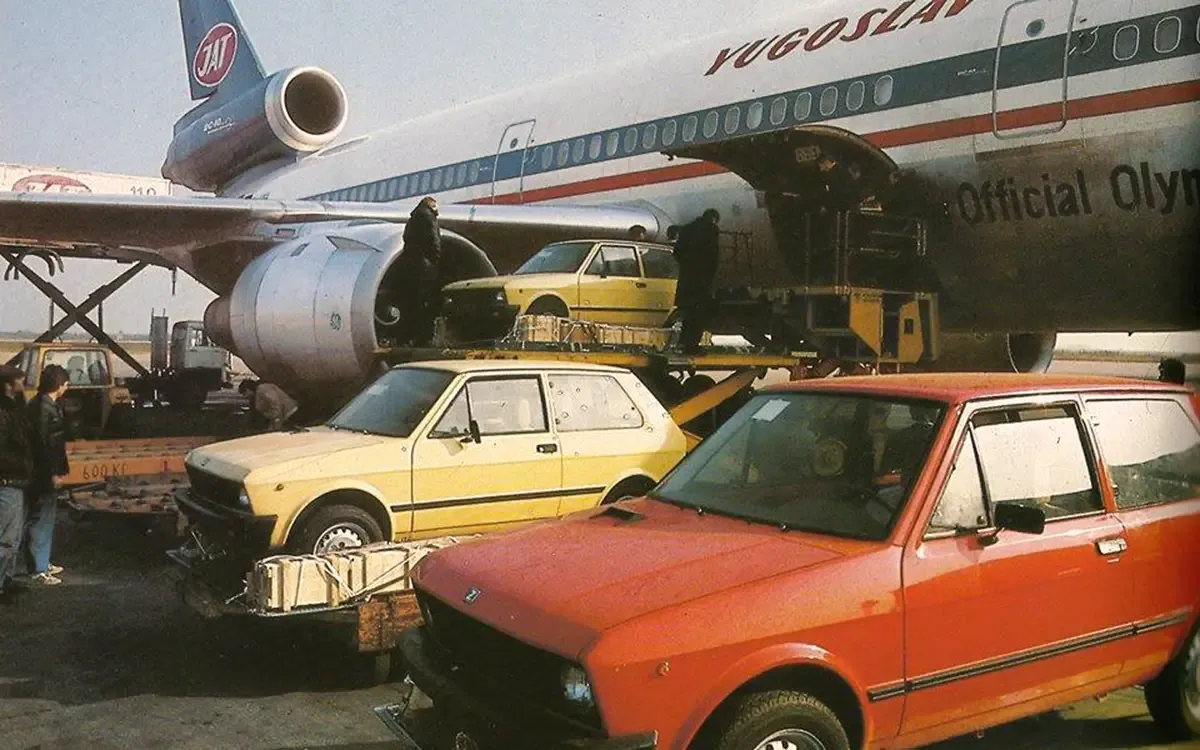
The 102 entered production in 1980 under the more international name Yugo 45 because this 45-horsepower wonder was supposed to become the number one racehorse of Yugoslav export and… it did! During the 1980s, about 100,000 Yugos were sold in Europe and non-aligned countries, while exactly 141,651 rolled out of American showrooms for no more than $3,990 apiece, under the slogan “buy yourself a little freedom, buy a Yugo”.
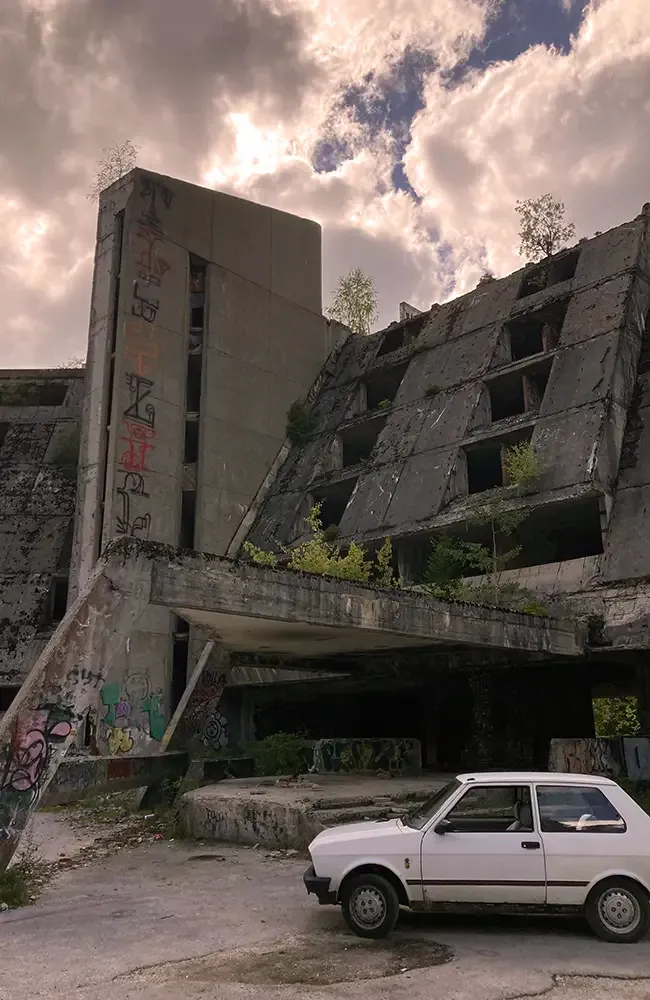
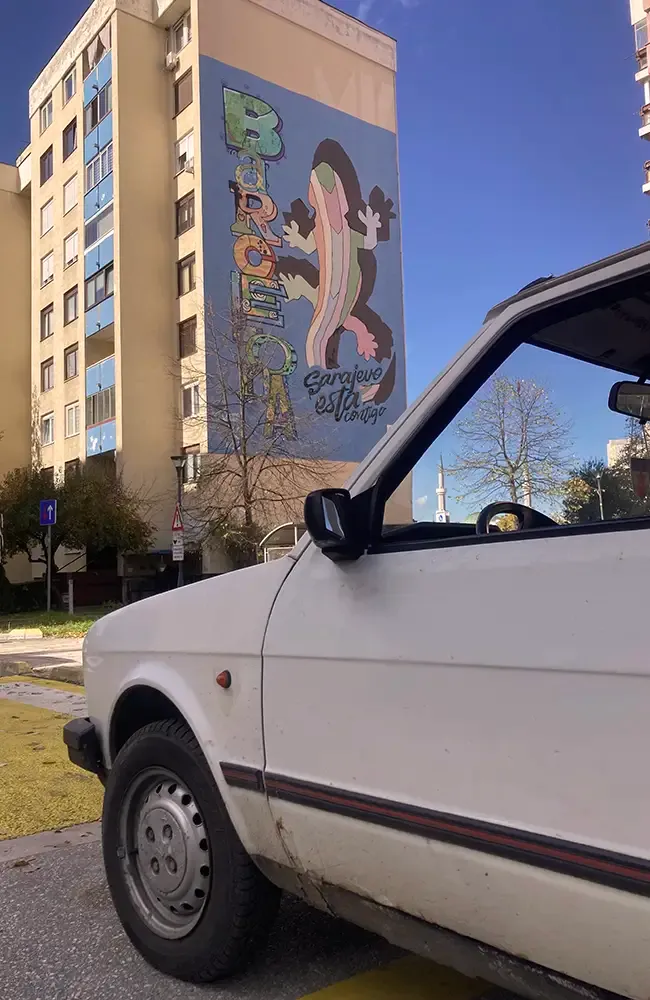
At Yugotour Sarajevo, our fleet is composed mostly of these fine machines.