Siege of Sarajevo Yugotour
From frontline positions to the Tunnel of Hope, explore the history of the Siege of Sarajevo and the collapse of the Yugoslav Federation.
Siege of Sarajevo Yugotour
Optional
Extras
Airport Dropoff / Pickup
€20 per car
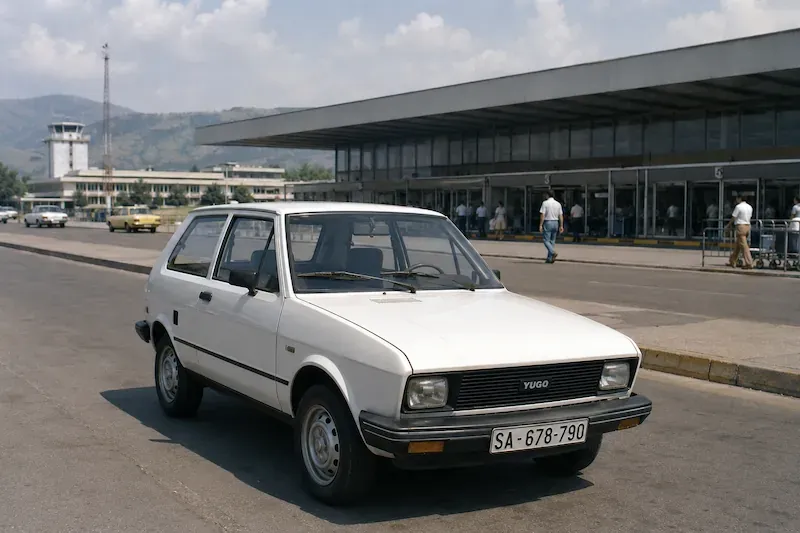
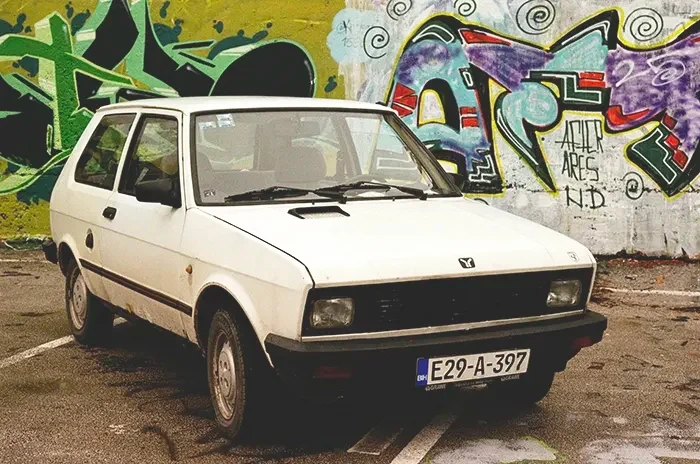
Can’t wait to discover Sarajevo? Running out of time before leaving town? Or do you just want to surprise someone in true Yugo style? Get picked up or dropped off at the airport before or after your tour in a classic Yugo. Just let us know your take-off or arrival time when you book, and we'll be there with bells on.
Trebević Cable Car
€15
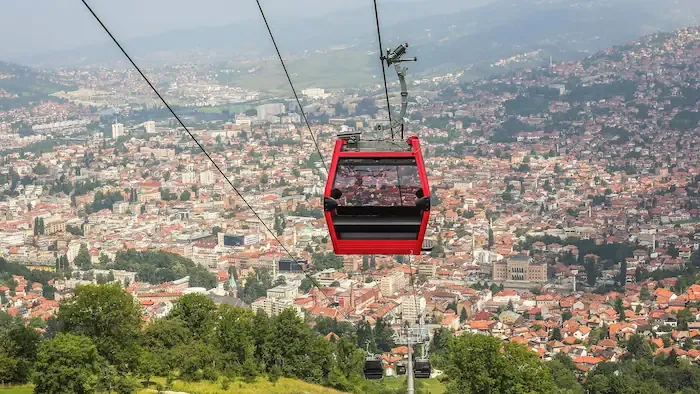
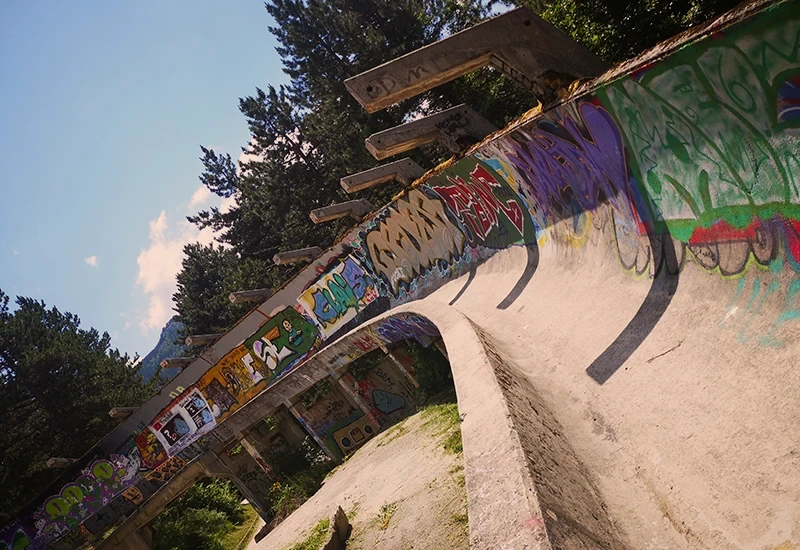
Take in a panoramic view of Sarajevo’s socialist sprawl as you glide toward the summit in the rebuilt Olympic cable car. It's the most scenic way to reach the abandoned bobsled track and experience the dramatic contrast between the city's brutalist skyline and the alpine forest.
Come with us, comrade, as we navigate the complex period from the fall of Yugoslavia to the Siege of Sarajevo (1992–1995). We examine the causes ranging from nationalism to international politics, focusing on the everyday resilience of the city.
This 4-hour tour takes you on board a vintage Yugo for a deep dive into this troubled time. We focus on the reality of the blockade by visiting frontline positions, massacre locations, the Historical Museum, and the wartime Tunnel of Hope.
Pick-up Spot
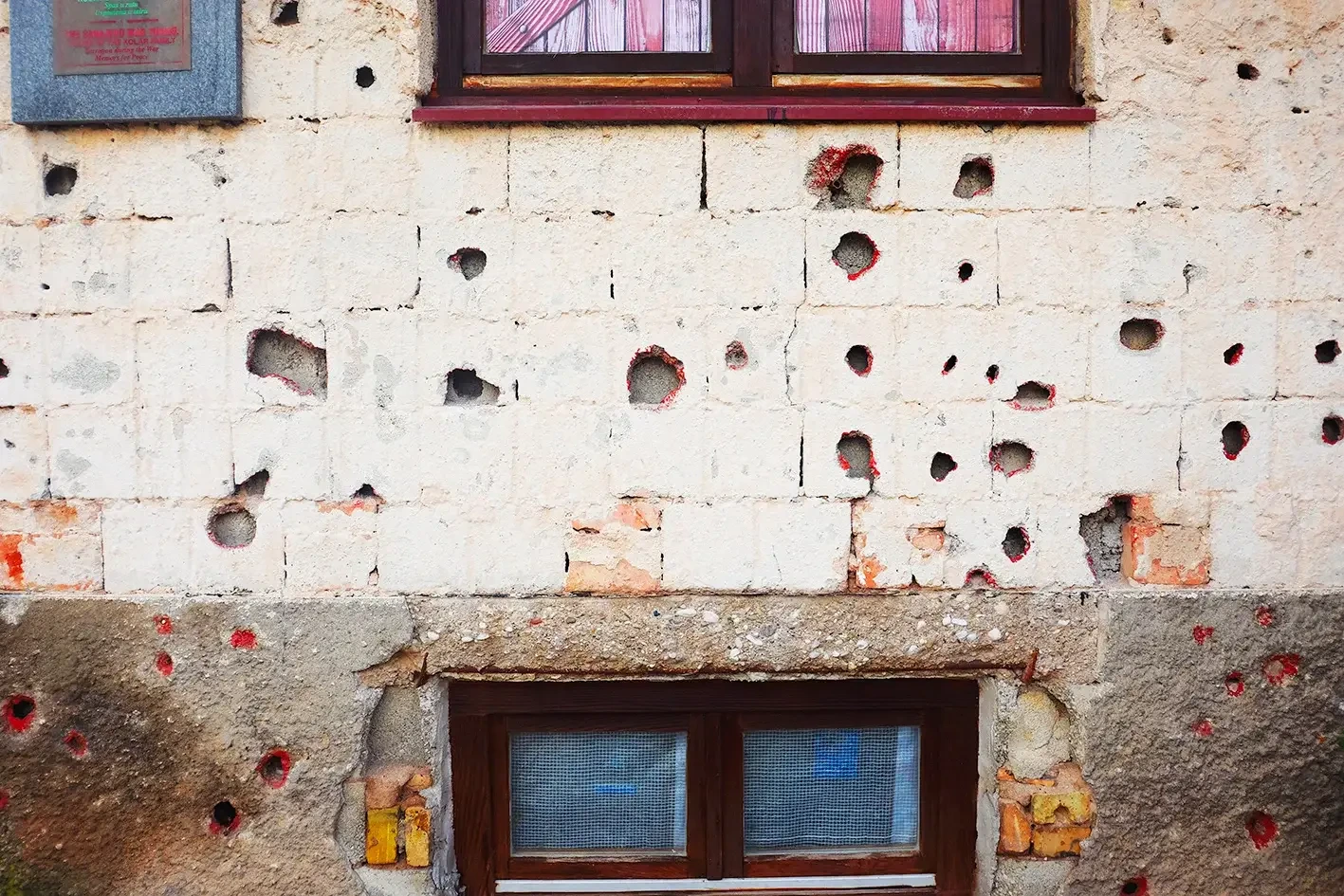
The tour can start at your accommodation or any other preferred spot in Sarajevo. Upon pickup, we drive past downtown locations like the Markale market, where mortar shells launched by the Bosnian Serb Army (VRS) caused tragic massacres in 1994 and 1995.
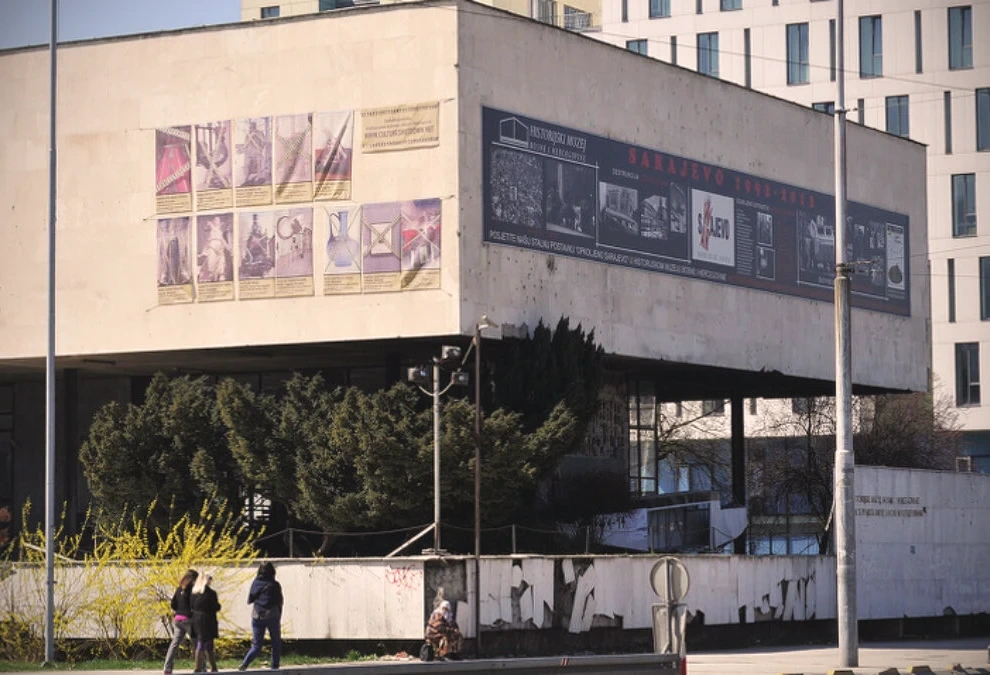
Historical Museum
The Besieged Sarajevo exhibition at the museum presents daily life during the 1,425-day siege. It showcases the resilience and creativity of citizens living without electricity, water, or heating. Exhibits include wartime schools and hospitals, emphasizing the importance of cultural life as a form of resistance. The museum itself still bears the scars of the conflict.
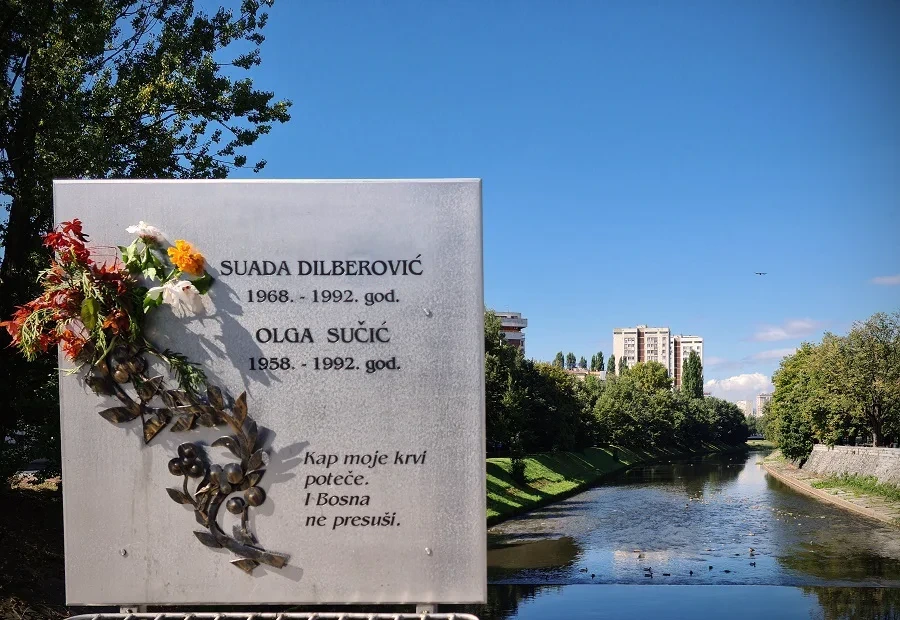
Vrbanja Bridge
As war loomed in April 1992, Serb Democratic Party gunmen fired upon protesters and hit Suada Dilberović and Olga Sučić (Bosniak and Croat), who died thereafter on the Vrbanja bridge. One year later, the young couple of Admira Ismić and Boško Brkić (Bosniak and Serb) were also killed here in their attempt to escape the besieged city. We stop here to discuss the tragic events of those years, reflecting on the human cost of the conflict on this specific crossing.
Sniper Alley
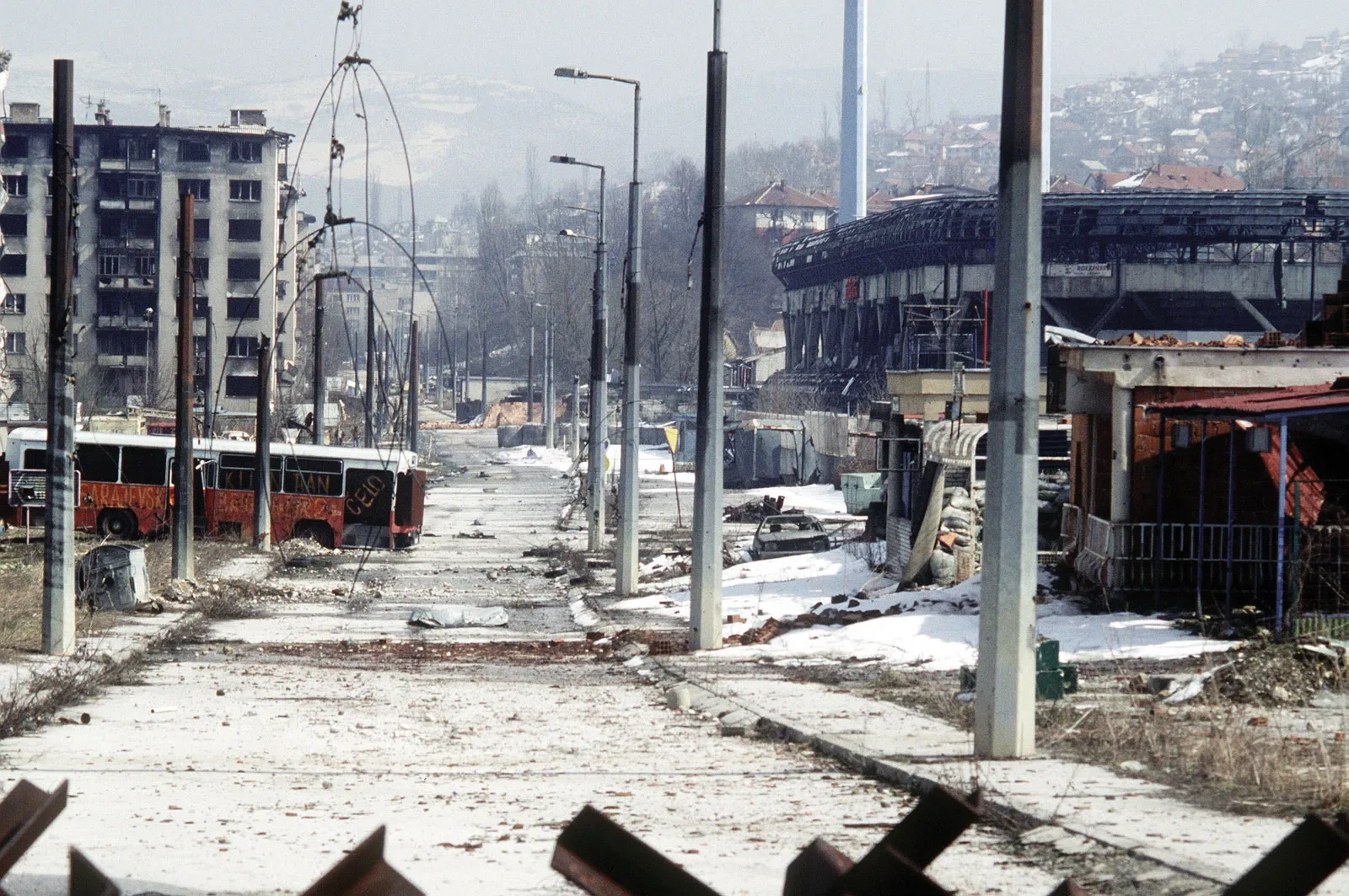
The main Zmaj od Bosne boulevard became known as "Sniper Alley" as forces in the Grbavica high-rises targeted anything that moved. International journalists based at the Holiday Inn coined the name. We drive this route to understand the layout of the city and the constant danger that citizens faced daily.
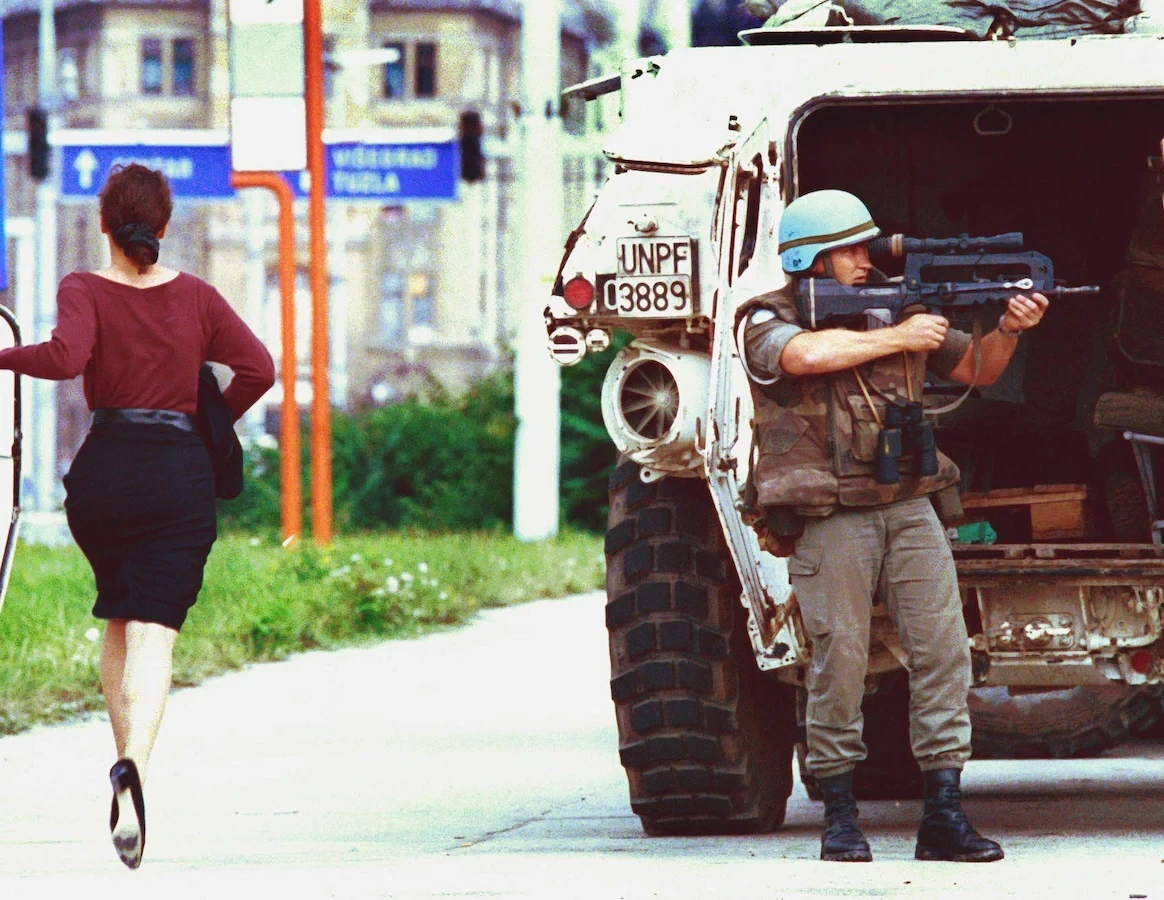
Grbavica
Grbavica was under Serb control throughout the siege and used as a fortified stronghold for shelling and sniping. Non-Serb inhabitants faced forced labor and war crimes during this period. We visit the area to discuss the occupation and the eventual conviction of those responsible for the crimes committed here.
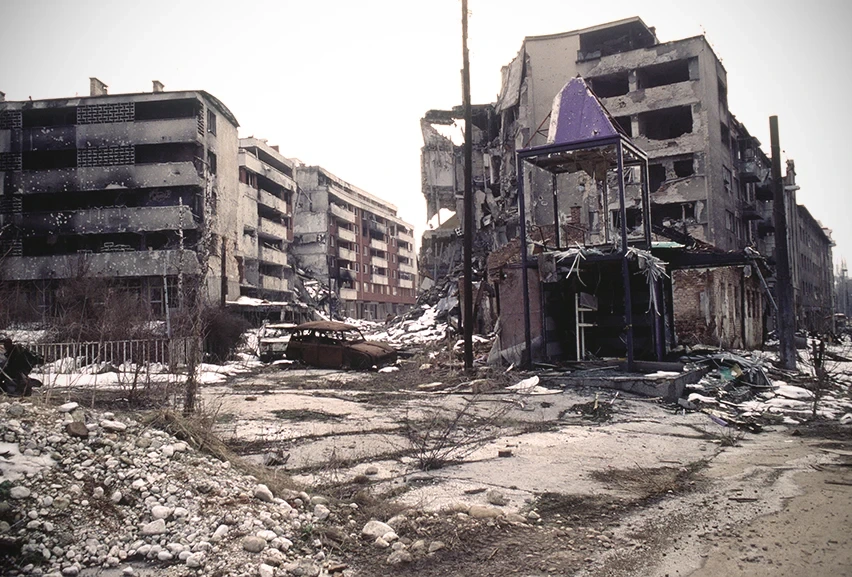
Dobrinja
The frontline ran straight through Dobrinja, making it a site of heavy street-to-street fighting. Its proximity to the airport made it a strategic location for the city's supply route from Mount Igman. We explore the neighborhood to see how it was divided and the role it played in the city's survival.
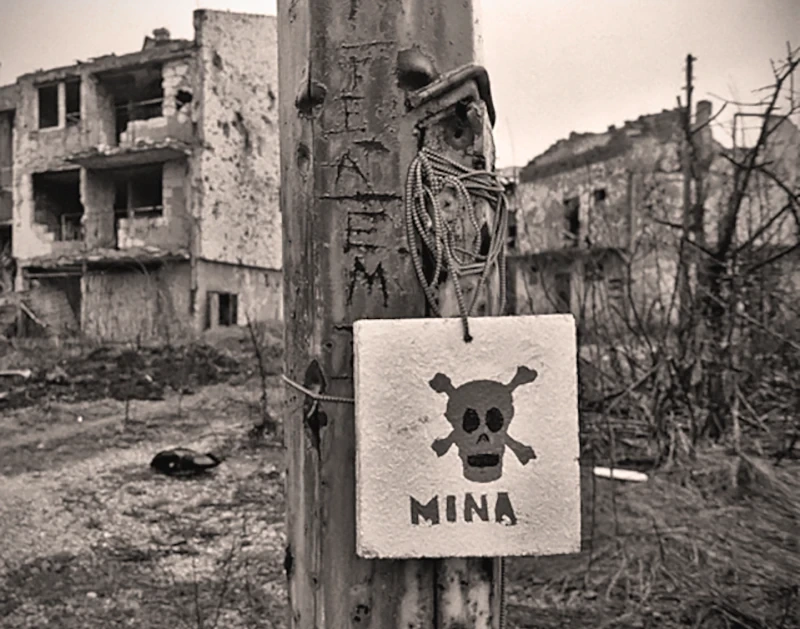
Tunnel of Hope
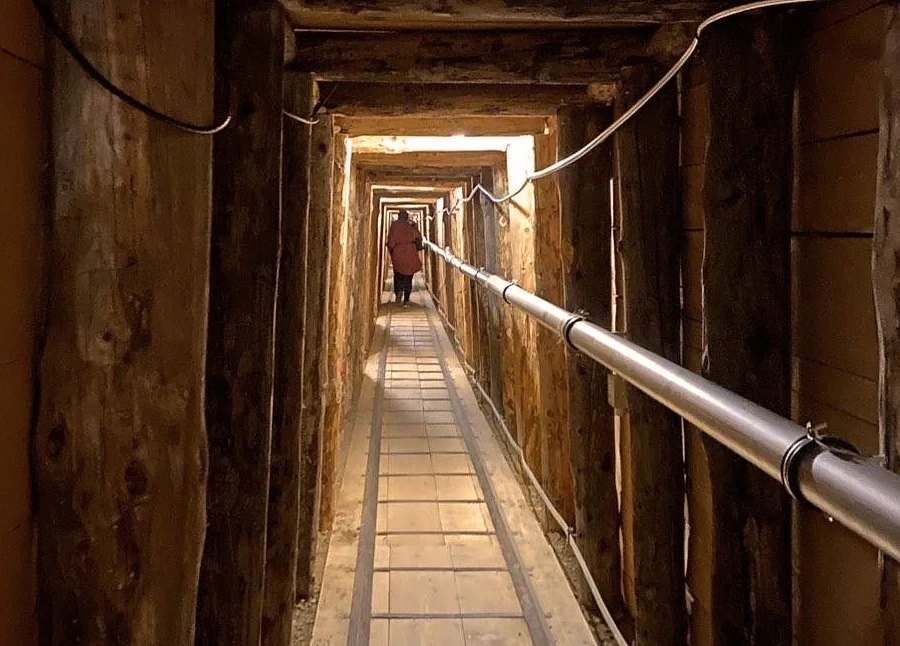
The runway of the UN-controlled airport was the only way in and out of the besieged city of Sarajevo, but crossing it was to risk being arrested by the UN, or worse, hit by Serb sniper and mortar positions on either side. In 1993, the Bosnian Army dug a 785-metre tunnel under the runway. This lifeline became crucial for moving food, arms, and people.
Trebević
From positions on Mount Trebević, the city was shelled and sniped upon daily. These frontlines overlooked the Old Town, leading to the destruction of the Vijećnica library and the Olympic Bobsled Track. We visit the ruins of the track, which serves as a sad reminder of the city's transition from Olympic host to a site of war.