3 Wars Grand Tour
See how three conflicts reshaped Belgrade's skyline and spirit. From the World Wars to 1999, discover the city as a perpetual crossroads.
3 Wars Grand Tour
Optional
Extras
Airport Dropoff / Pickup
€30 per car
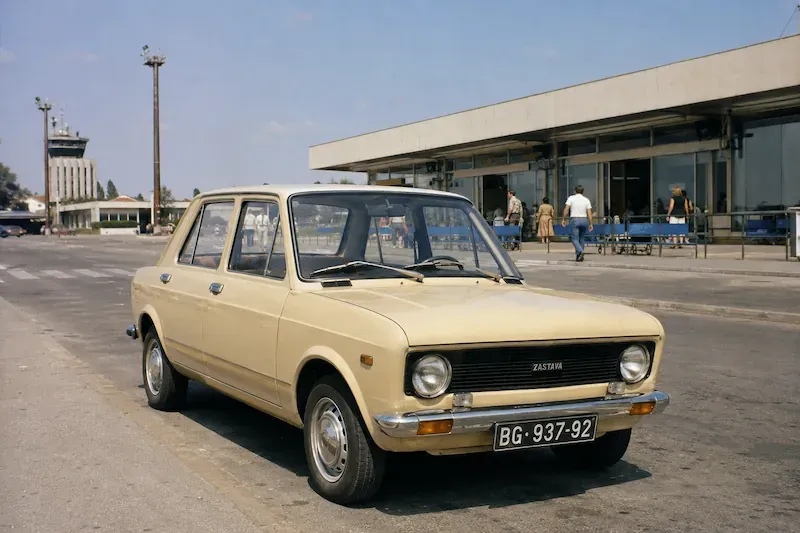
Can’t wait to discover Belgrade? Running out of time before leaving town? Or do you just want to surprise someone in true Yugo style? Get picked up or dropped off at the airport before or after your tour in a classic Zastava. Just let us know your take-off or arrival time when you book, and we'll be there with bells on.
Genex Tower Inside Visit
€15 pp / €20 single
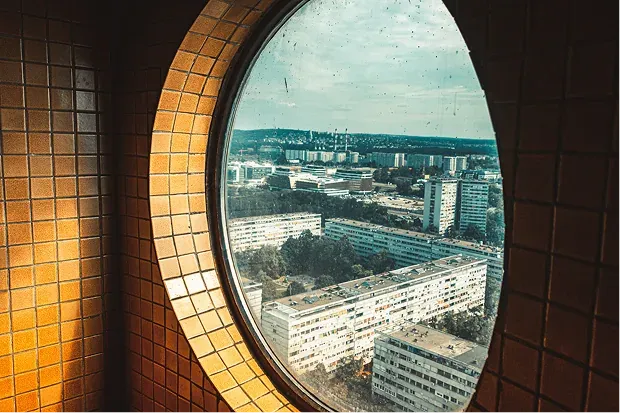
Even if this most iconic of brutalist buildings in Belgrade is included in your tour, you should add this visit to an apartment inside. Our architect friends at Brutalist Belgrade created an exhibition space in this high-rise, where you can probe deeper into Belgrade’s brutalist architecture and enjoy the amazing views while you're up there.
Museum of Yugoslavia & Mausoleum of Tito
€15 pp / €20 single
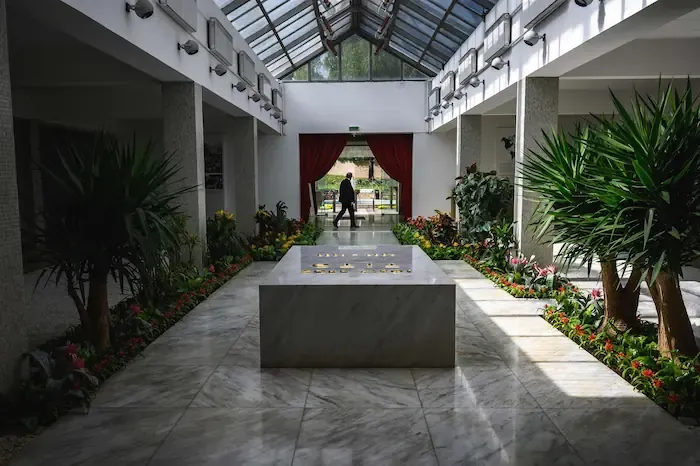
If you want to see the most Yugoslavian of Yugoslav places, this is a must-see. Visit the graves of Tito and his last wife Jovanka, and learn about who he was and the consequences of his death. At the same complex you'll find an eclectic selection of gifts Tito received, from an actual piece of the moon to ancient weapons. Throughout it all, the story of Yugoslavia is told—from the rise to the fall of Tito’s socialist dream.
Blok 61 / 62 / 63
€15 pp / €20 single
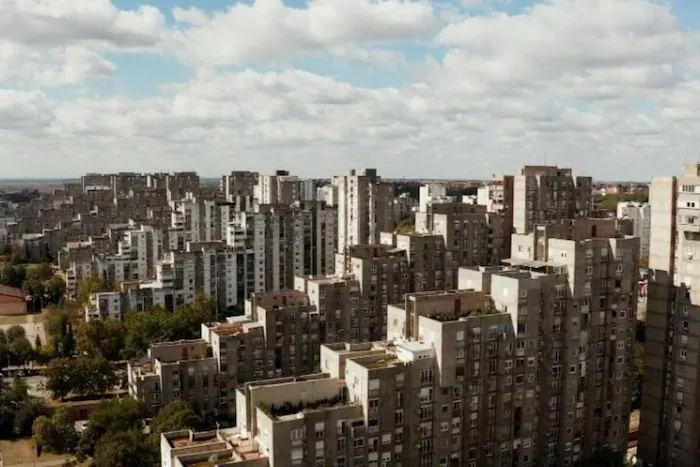
If you came to Belgrade for its impressive and sometimes crazy socialist architecture, then make sure to add a ride through the largest of its brutalist housing projects. You might spot the rows and rows of these concrete staircases from the plane when you fly in, but it's even more impressive when you're walking among these giants.
Rudo Towers Inside Visit
€15 pp / €20 single
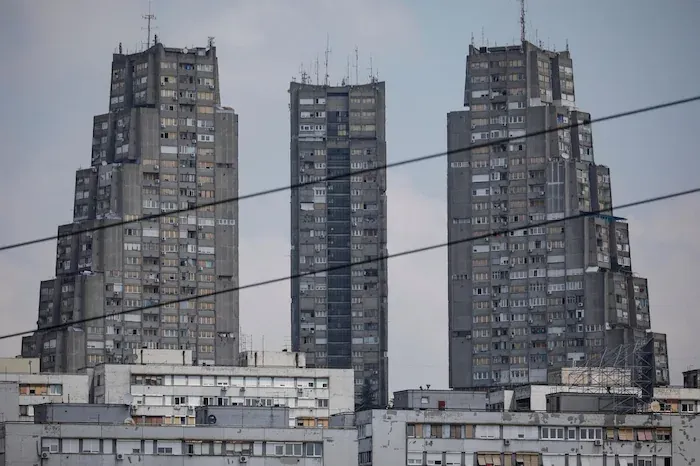
Our only package featuring this imposing trio of towers is the Grand Architecture Tour, if only because they're a bit hard to reach. But if you've only been to the Genex Building—Belgrade's Western Gate—then your list really isn't yet complete, at least not until you've visited this Eastern Gate of the city. Take a trip with us to the top floor of this brutalist behemoth.
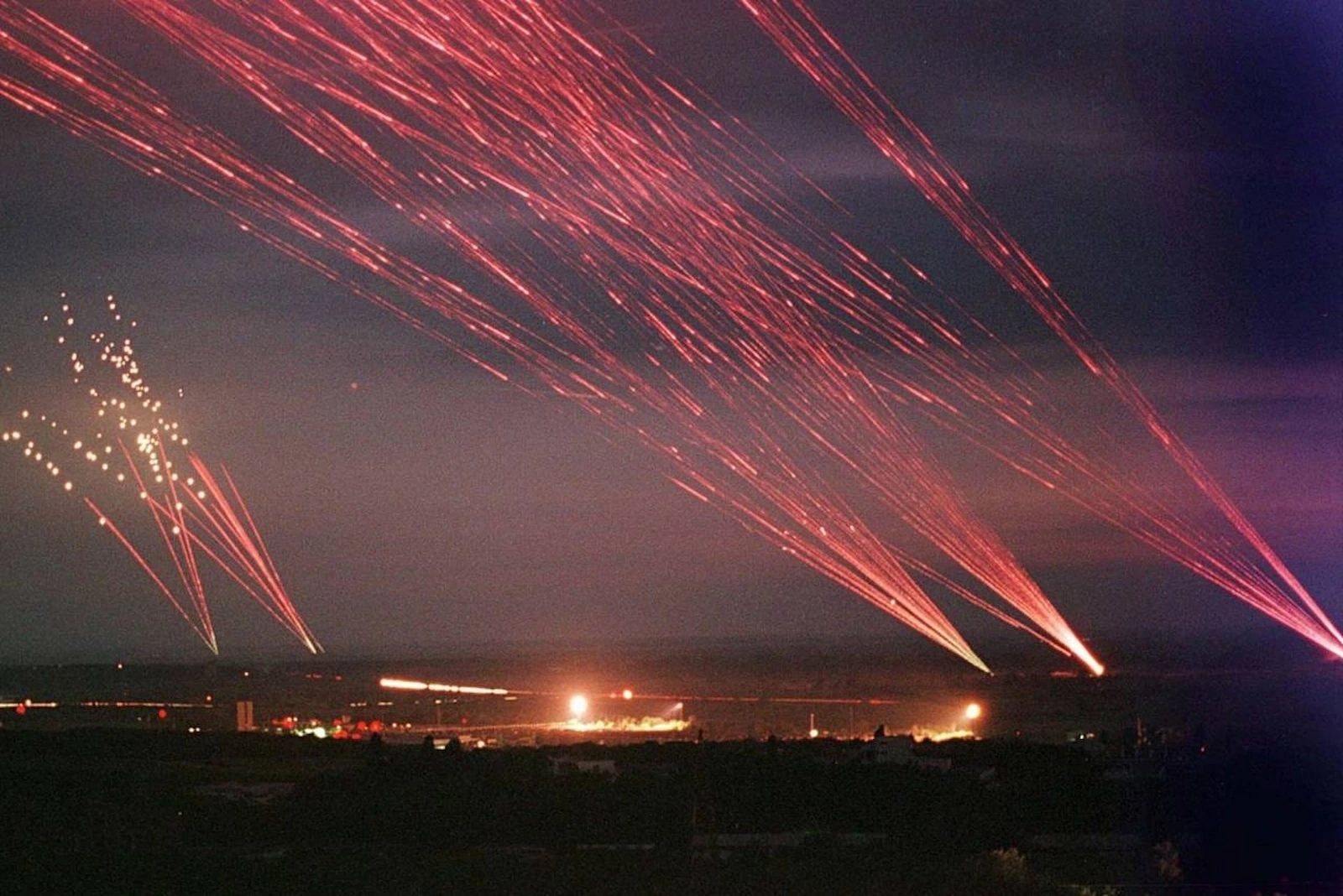
Belgrade has frequently been the target of warring armies due to its strategic position between East and West. On this tour, we focus specifically on the last three wars that had an irreversible impact on the city and its people: from the first shots of the First World War and the horrors of the Second's concentration camps, to the conflicts that led to the breakup of Yugoslavia and the 1999 NATO bombardment. Traces of these episodes still remain today, and will certainly open your eyes to the essential role Belgrade played in shaping the 20th century.
Start of the Tour
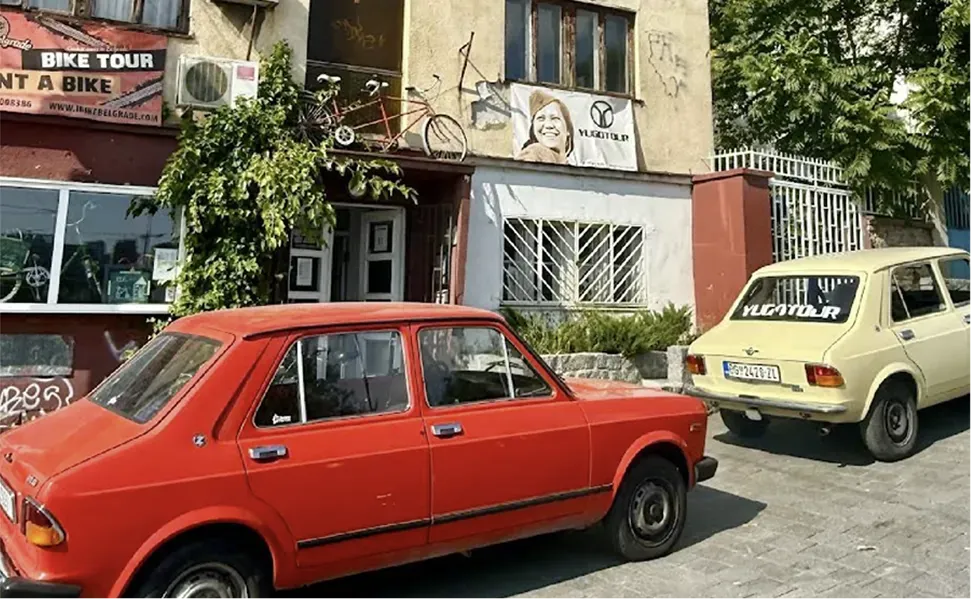
Things kick off at the Yugotour Headquarters at Karađorđeva 11. This is where you meet your driver and vintage Zastava automobile.
Note: Alternate pick-up and drop-off can be arranged while booking.
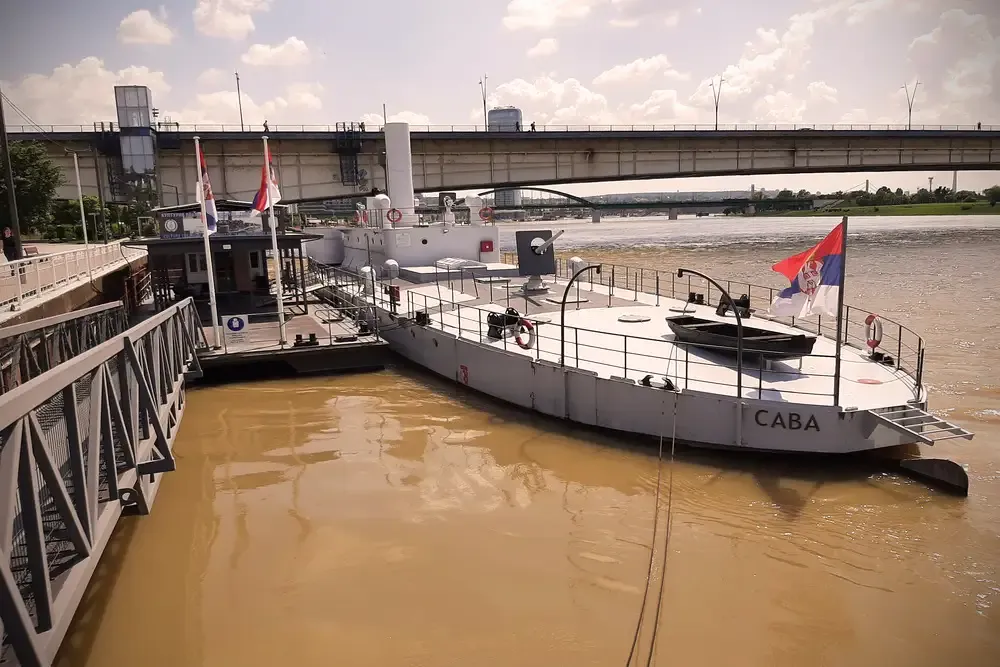
Bodrog Warship
The assassination of Franz Ferdinand in Sarajevo in 1914—plotted just around the corner from our headquarters—isn’t the only thing that ties Belgrade to the Great War; the first shots of WWI were actually fired upon the city from this Austro-Hungarian monitor. Captured after the war, the ship was later used to fight the Nazis in WWII. Today, it has been completely restored and floats peacefully on the Sava River.
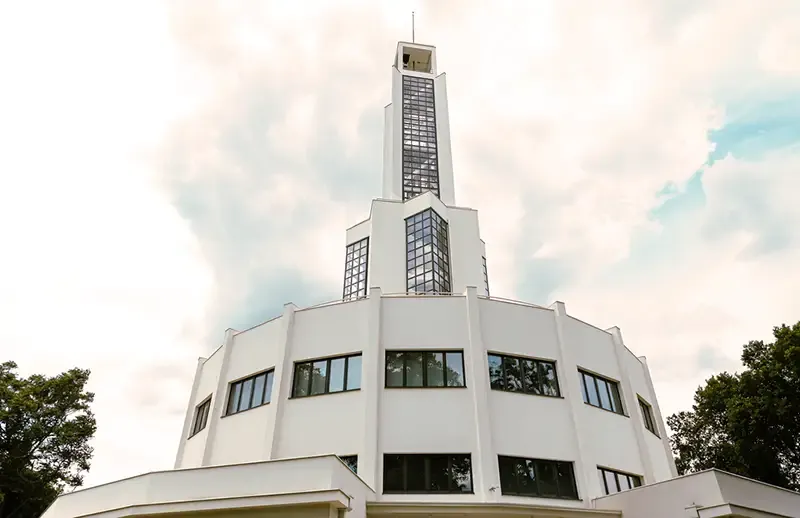
Staro Sajmište Concentration Camp
At this former concentration camp, the horrors of WWII are still tangible, yet the site strangely hosts restaurants and even a gym today. This location is essential to understanding the founding of Socialist Yugoslavia, but it is also where the seeds for its breakup fifty years later were first planted.
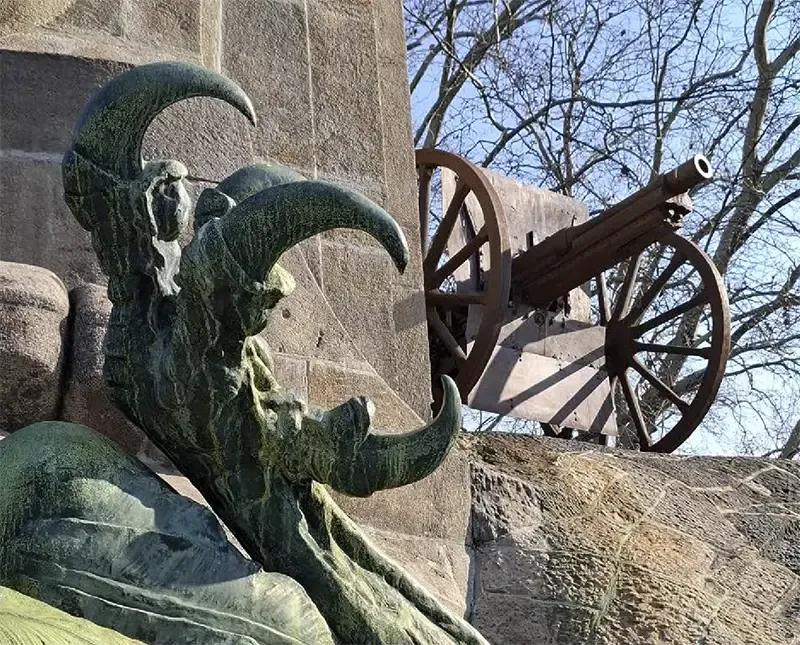
The New Cemetery
The history of war in Belgrade can be read almost entirely through the graves and monuments of this cemetery. Perhaps most impressive is the Monument to the Defenders of Belgrade, the final resting place for thousands of soldiers. Directly across the road, another monument honors the Liberators of Belgrade from WWII.
Jajinci Memorial Park / Museum of Banjica Concentration Camp
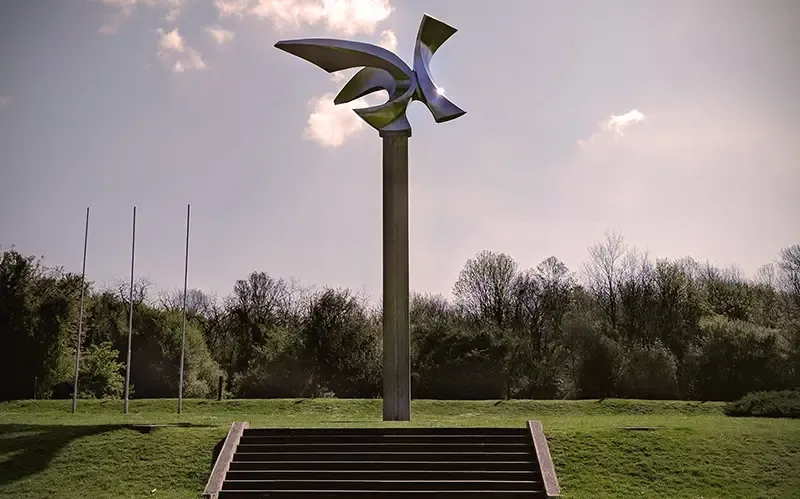
To enforce its policies, the Nazi regime built several concentration camps in and around Belgrade. We will visit the museum portraying life and death in the Banjica camp, followed by the Jajinci Memorial Park, where 65,000 prisoners from Banjica and Staro Sajmište were executed. It is now an eerily calm place featuring a striking memorial and original fence posts used during the executions.
Tito's Blue Train
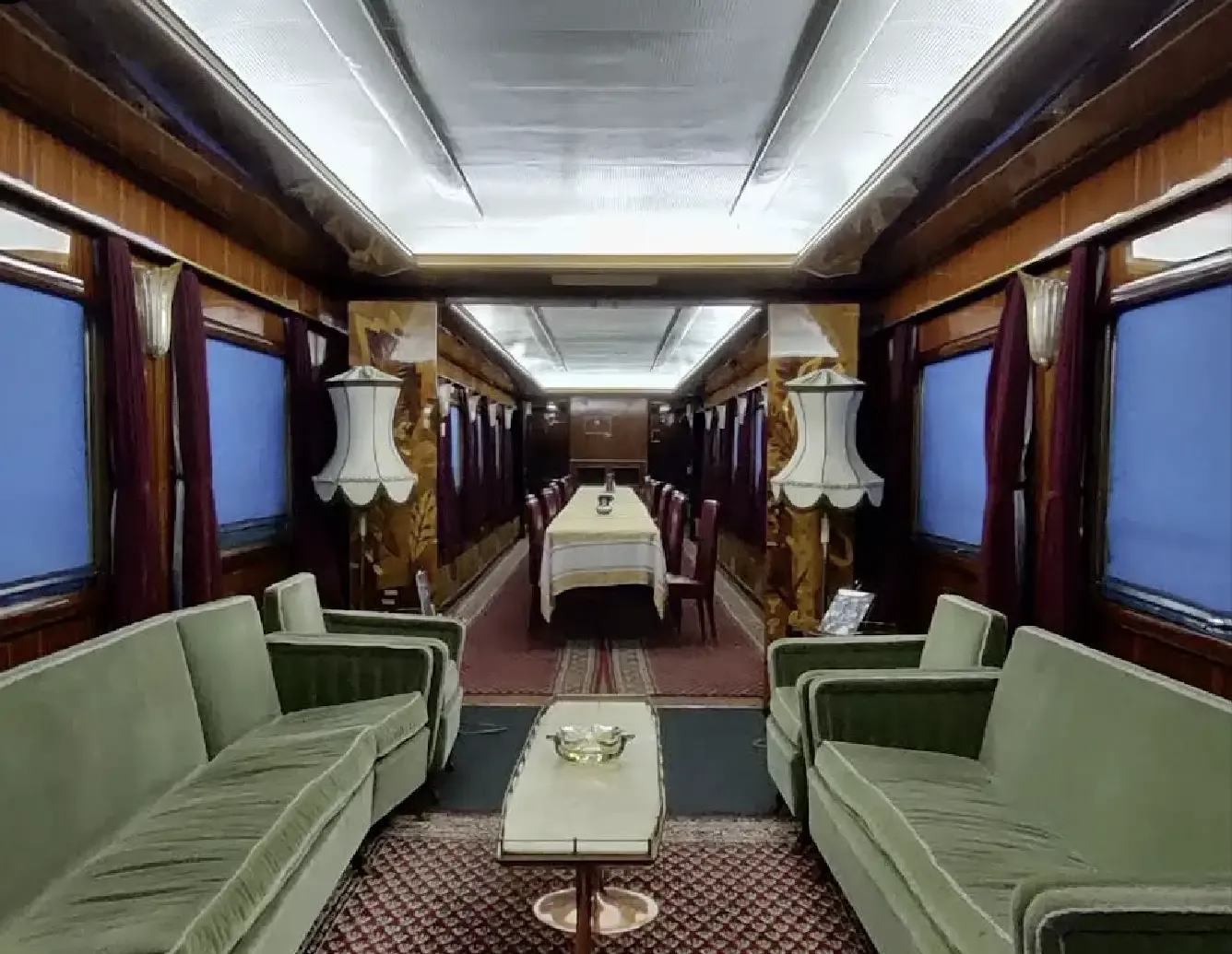
The leader of Yugoslavia, who fought in both the First and Second World Wars, cannot be ignored on this tour. As brave as he was as a soldier, he was famously terrified of flying. Consequently, he had a specialized, luxurious train built for his travels. His final trip through the whole of Yugoslavia—in his coffin—was also taken in this beautifully preserved “museum on wheels.”
General Staff
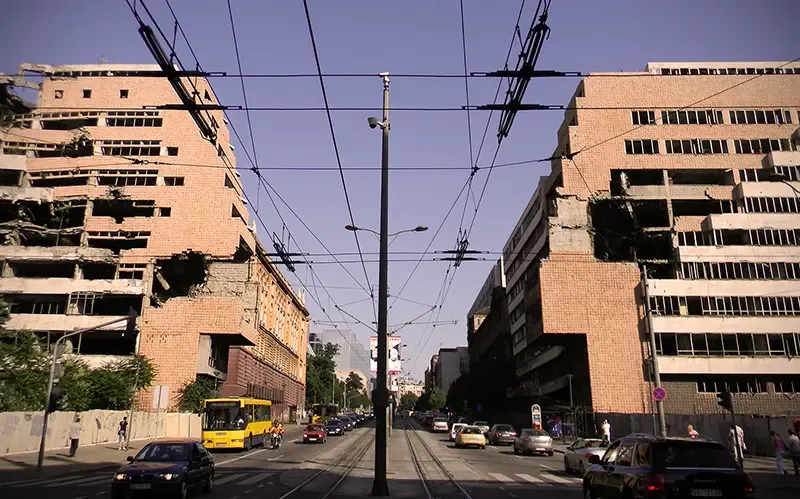
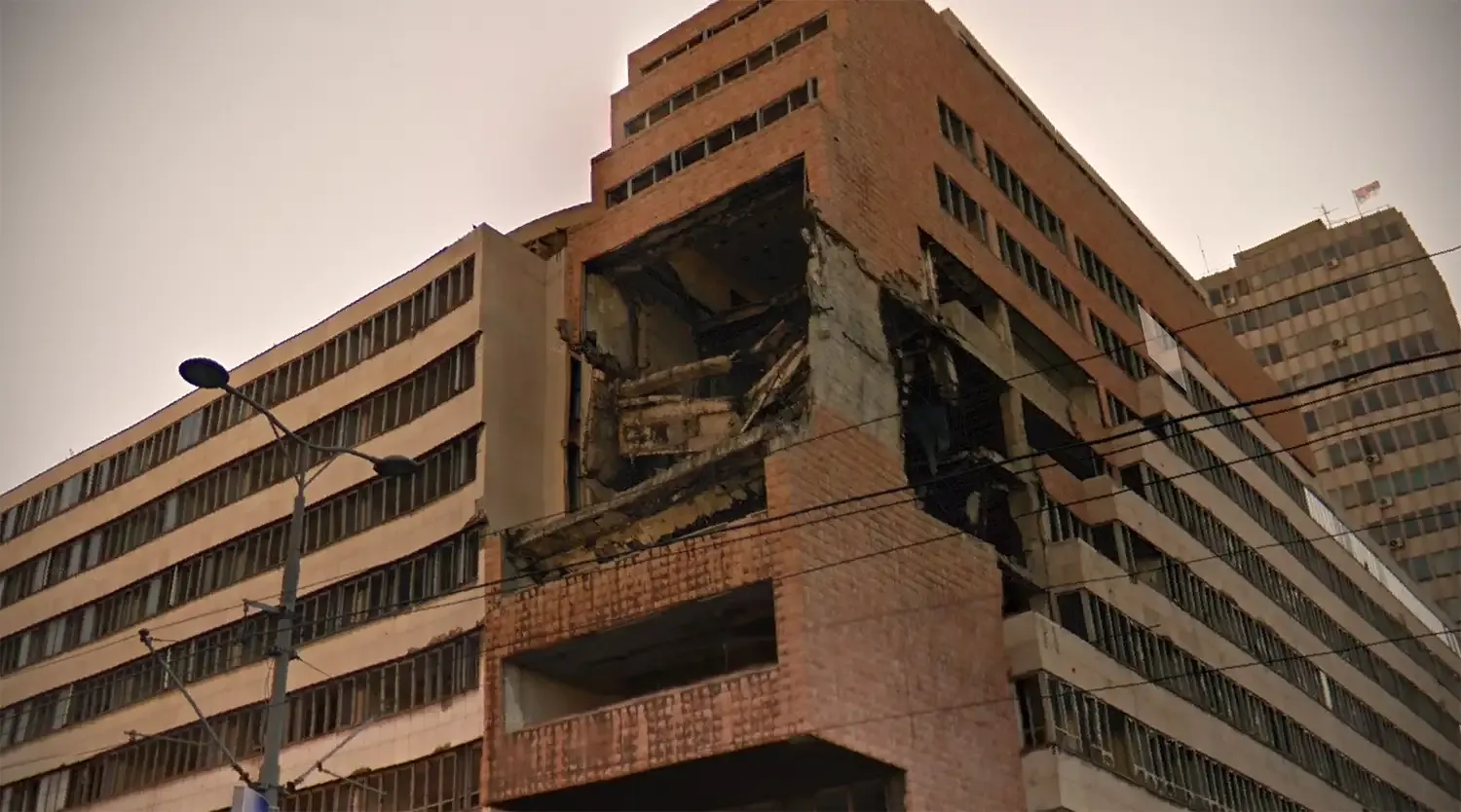
The former headquarters of the Ministry of Defense in the heart of Belgrade made world news in 2026 when it was announced that the grounds would be used for a major luxury redevelopment. It is one of the many cynical stories Belgrade is known for, as it was NATO forces who bombed these buildings in 1999. While many targeted sites have since been demolished, the General Staff building still stands as a monument to that era. This remains a significant site for Belgraders; when they refer to "the war," they are often speaking of the 1999 bombings.